Benchmark Vehicles
Mercedes Sprinter Camper van Design and Engineering
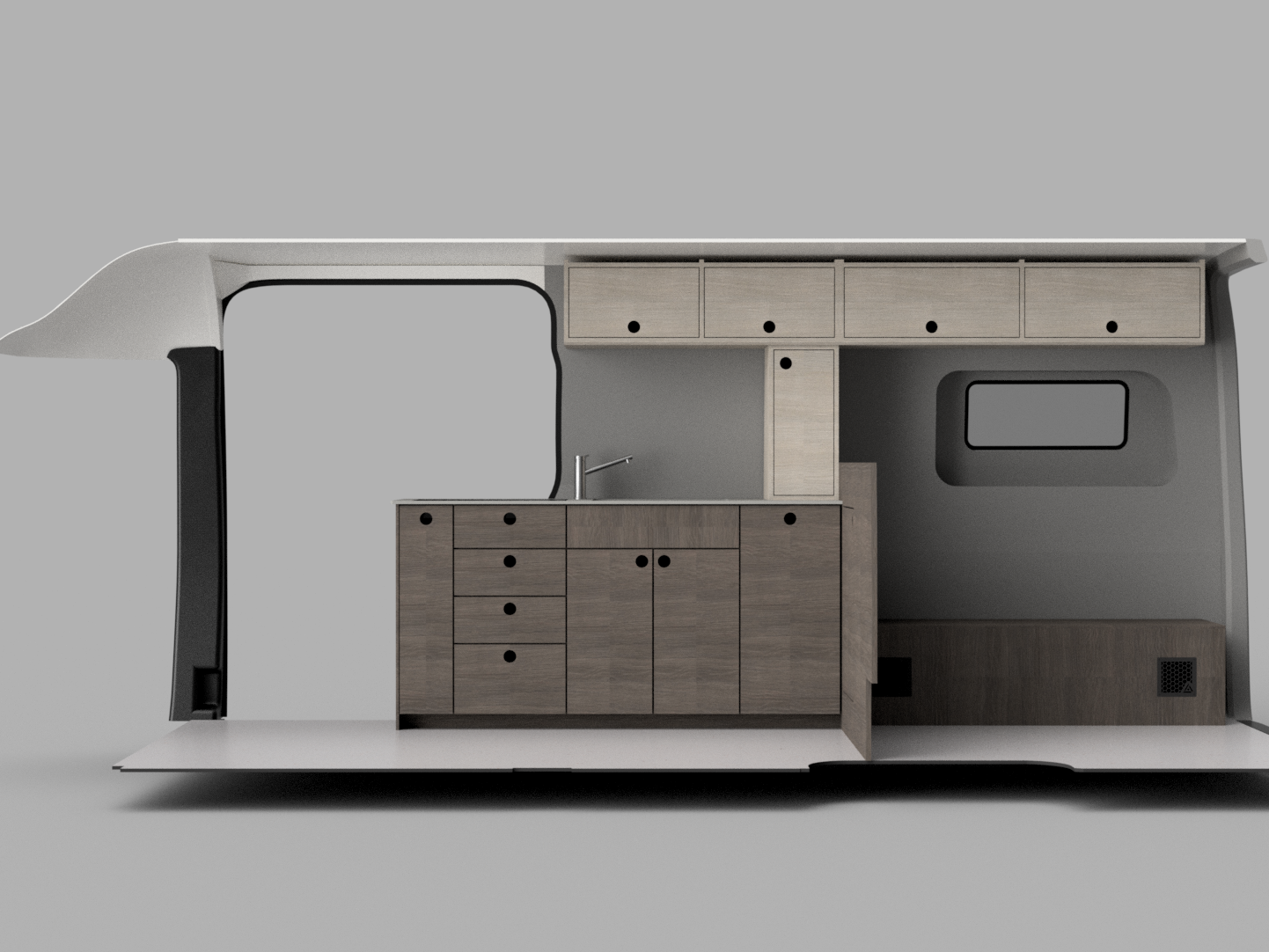
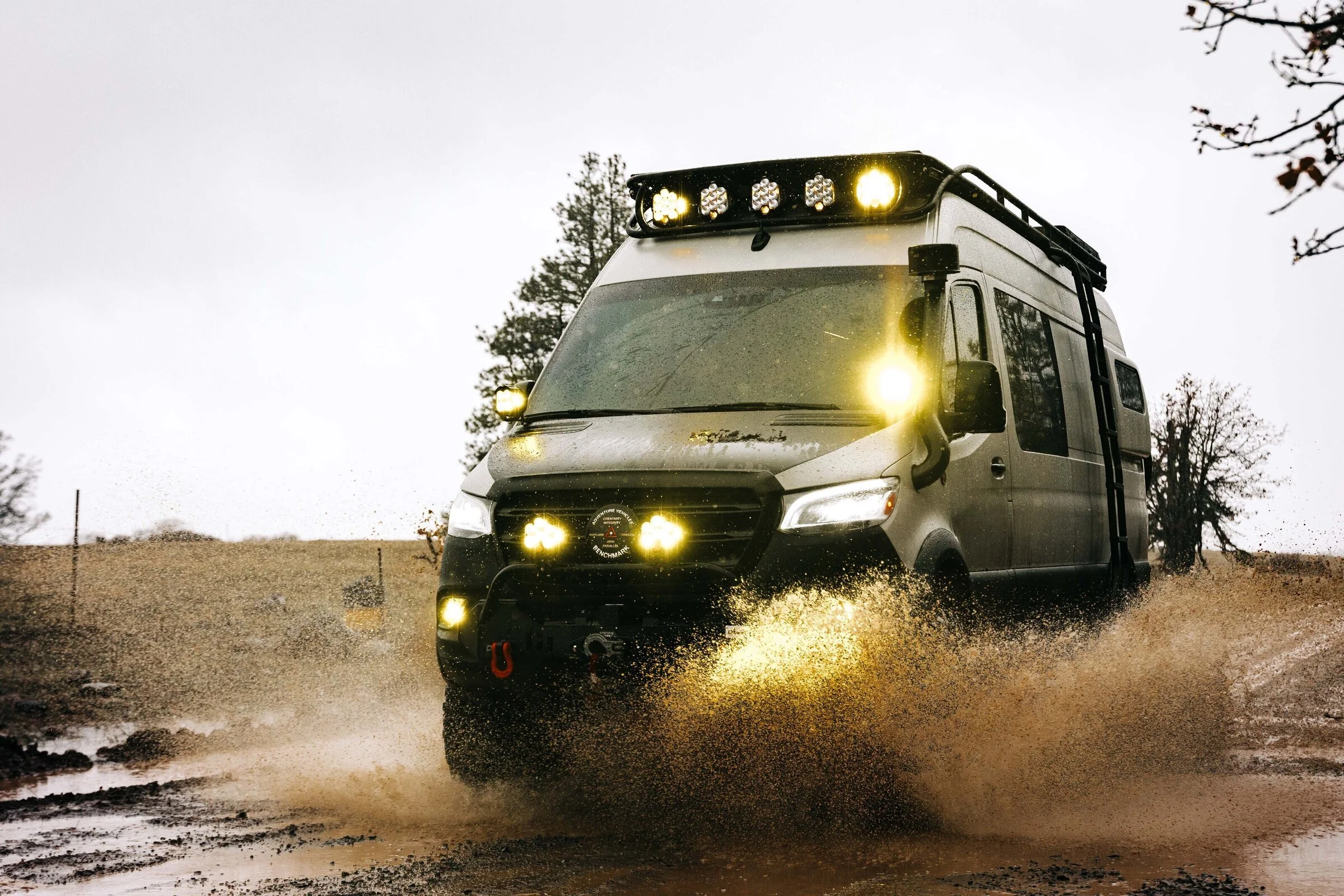
I leveraged my experience creating the HiAce camper to land a role at Benchmark Vehicles as a Design Engineer. They take a blank Mercedes Sprinter Van and transform it to high-end off-road camper van.
Type : Camper van, Overland vehicles
Manufacturing Method : CNC router, 3D printer, Sheet metal, Cabinetry methods
Scale : 18+ units produced per year
Skills used: Fusion 360 (sheet metal, manufacturing) prototyping, sketching, CNC main operator.
Other Skills: Design assembly instructions and manuals, Vendor management, Ordering and stock management
Design Engineer Role
As the lead designer in a new role for this company, I was given a lot of freedom to help transition traditional manufacturing techniques into a more efficient CAD based system.
Some of the job functions:
Transition 2D design based company(Adobe Illustrator) into the use of CAD/CAM(Fusion 360)
Translate previously manually produced parts and techniques into CAD models for CNC production
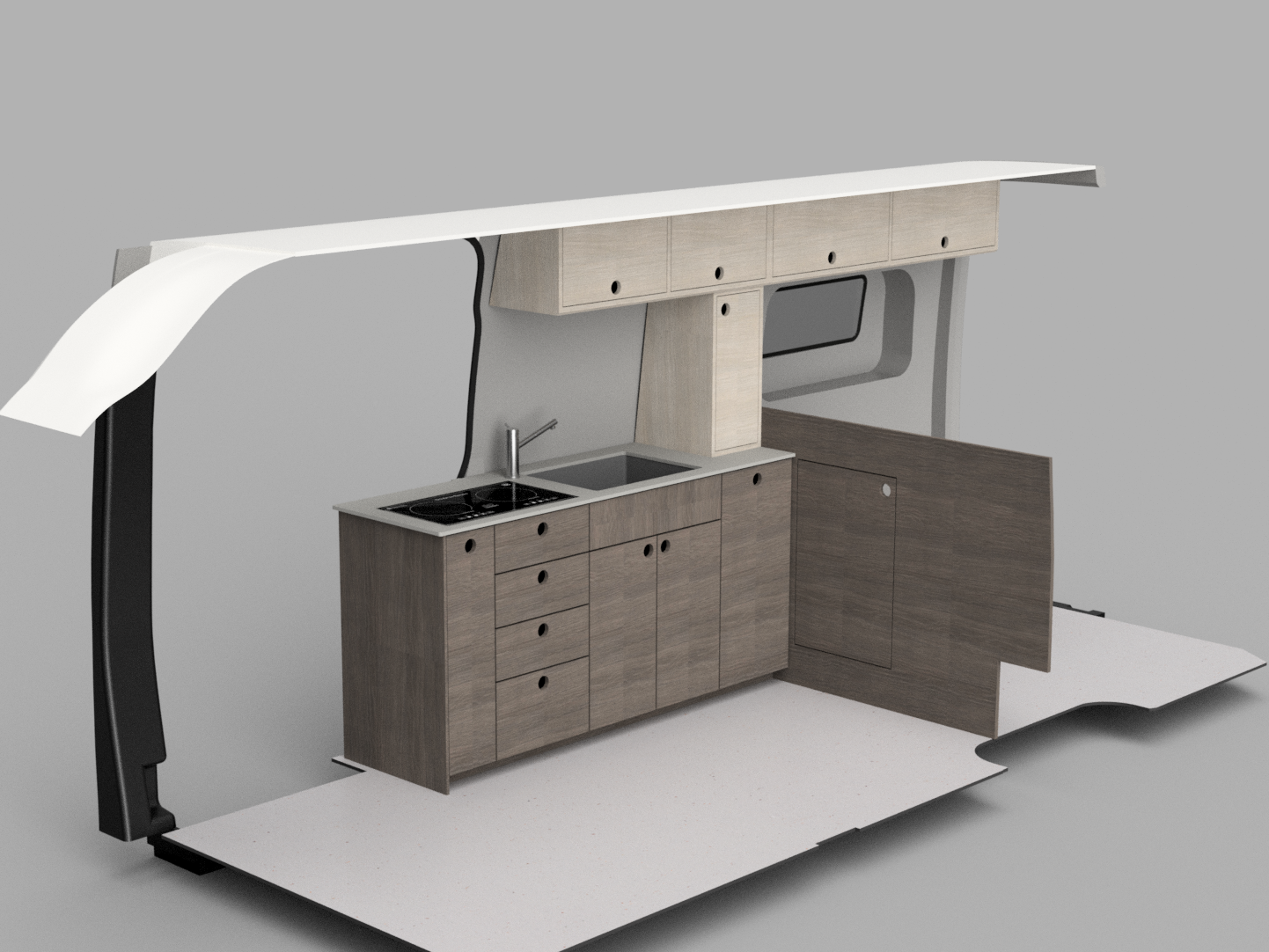
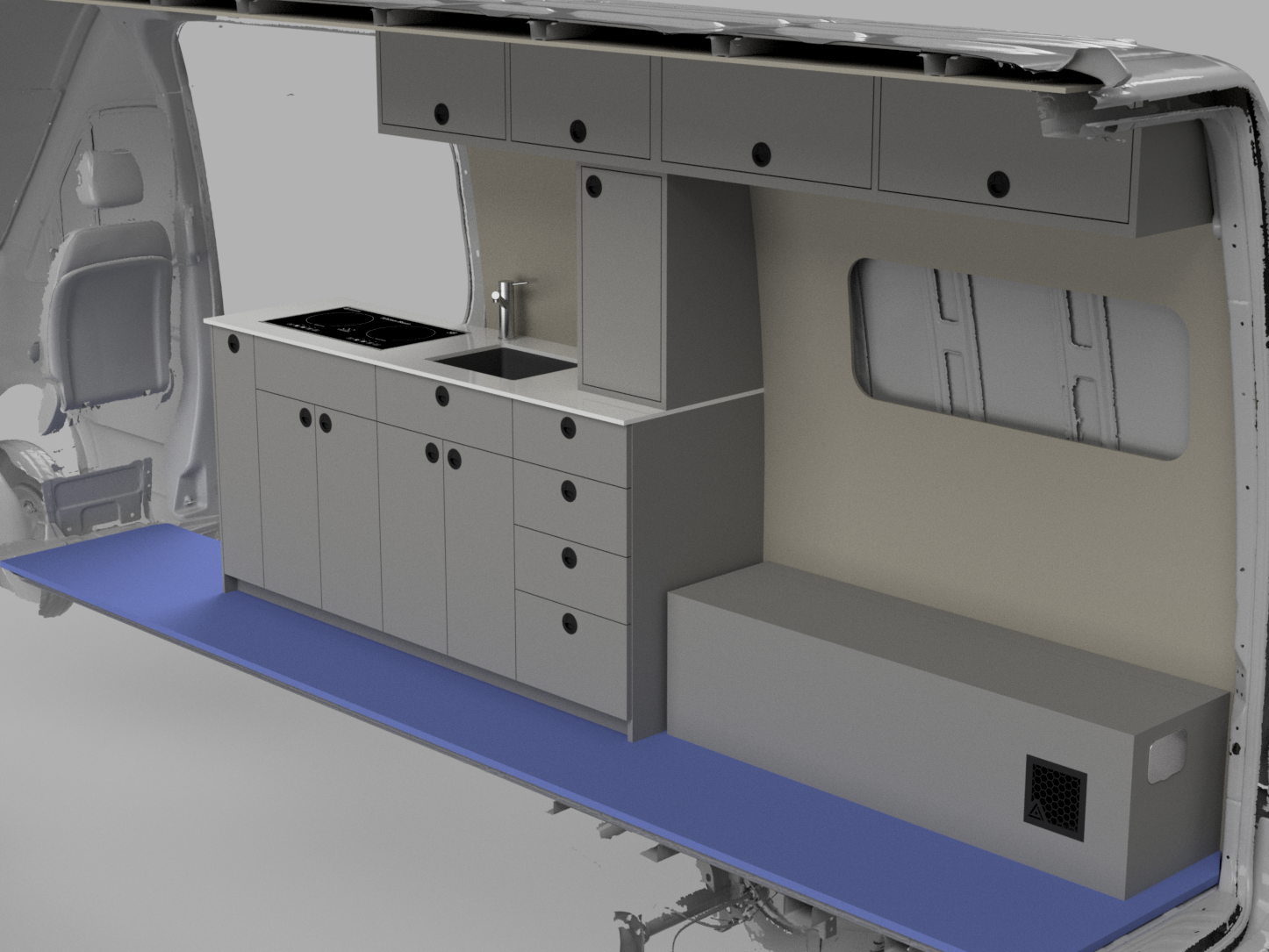
Create complex CAD models including all original parts to layout interior and exterior of vans
Create drawings and design files to communicate with external manufacturers
Main operator of 5×10 CNC, 3D printer
Sheet metal design, prototyping, outsourcing
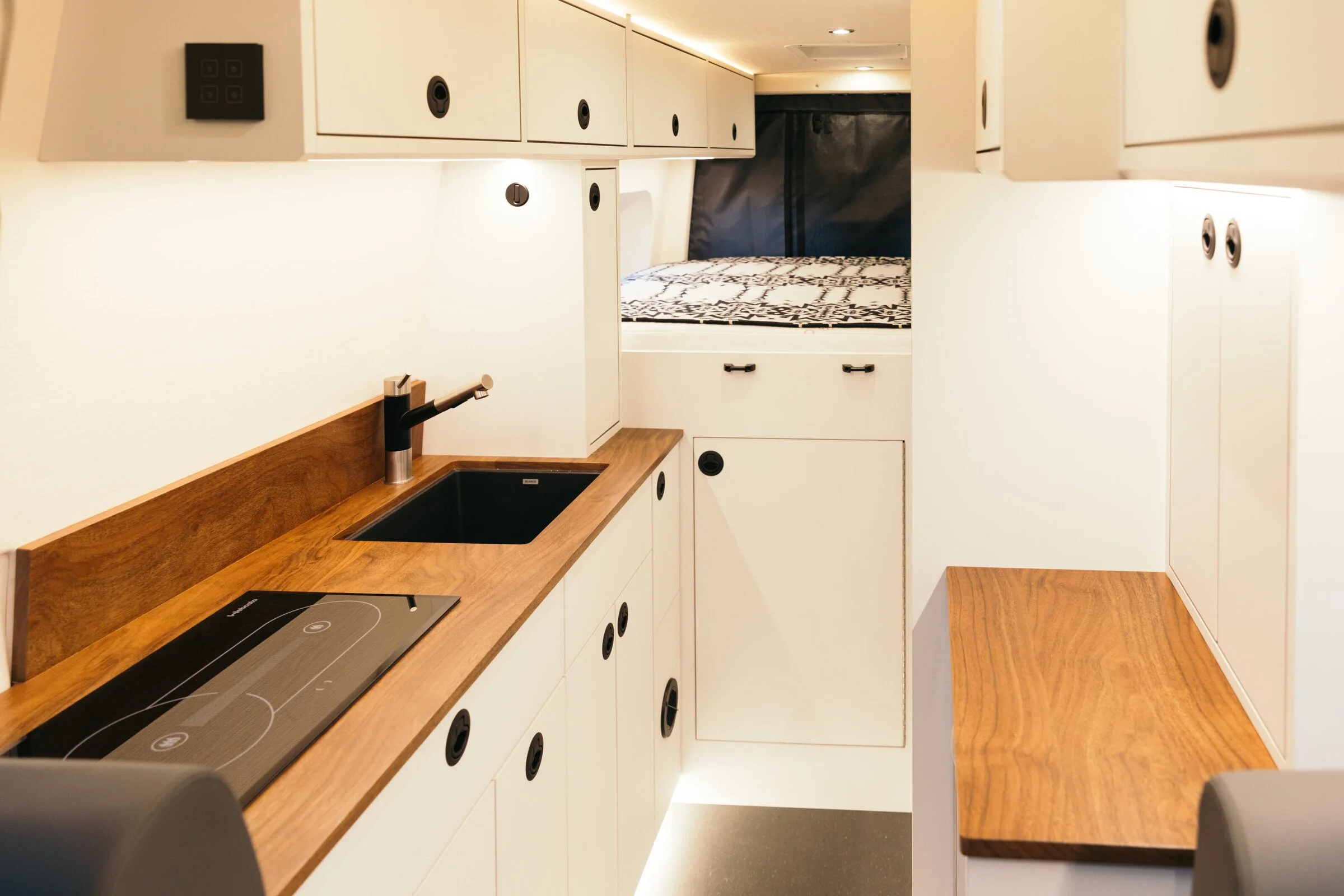

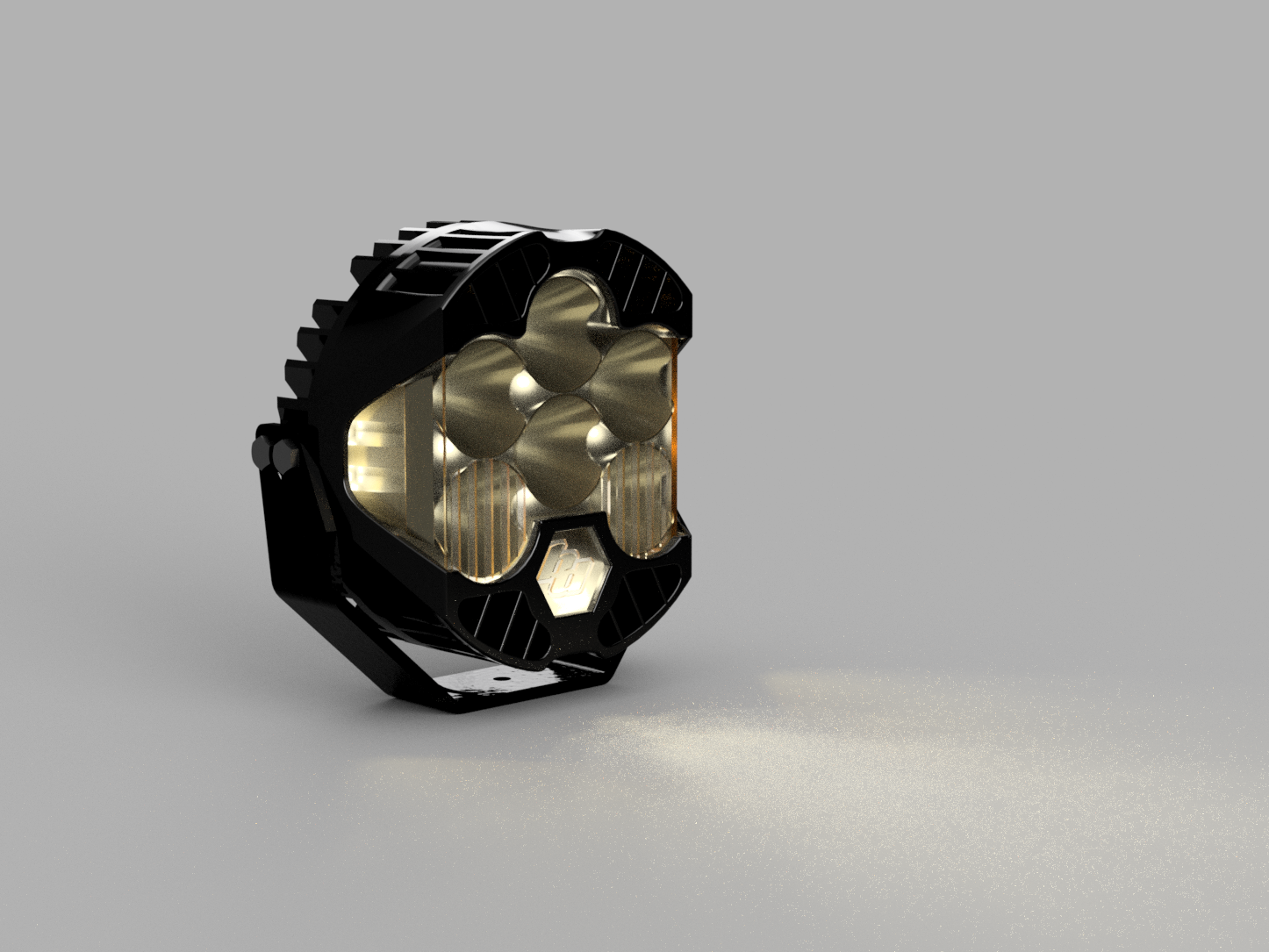
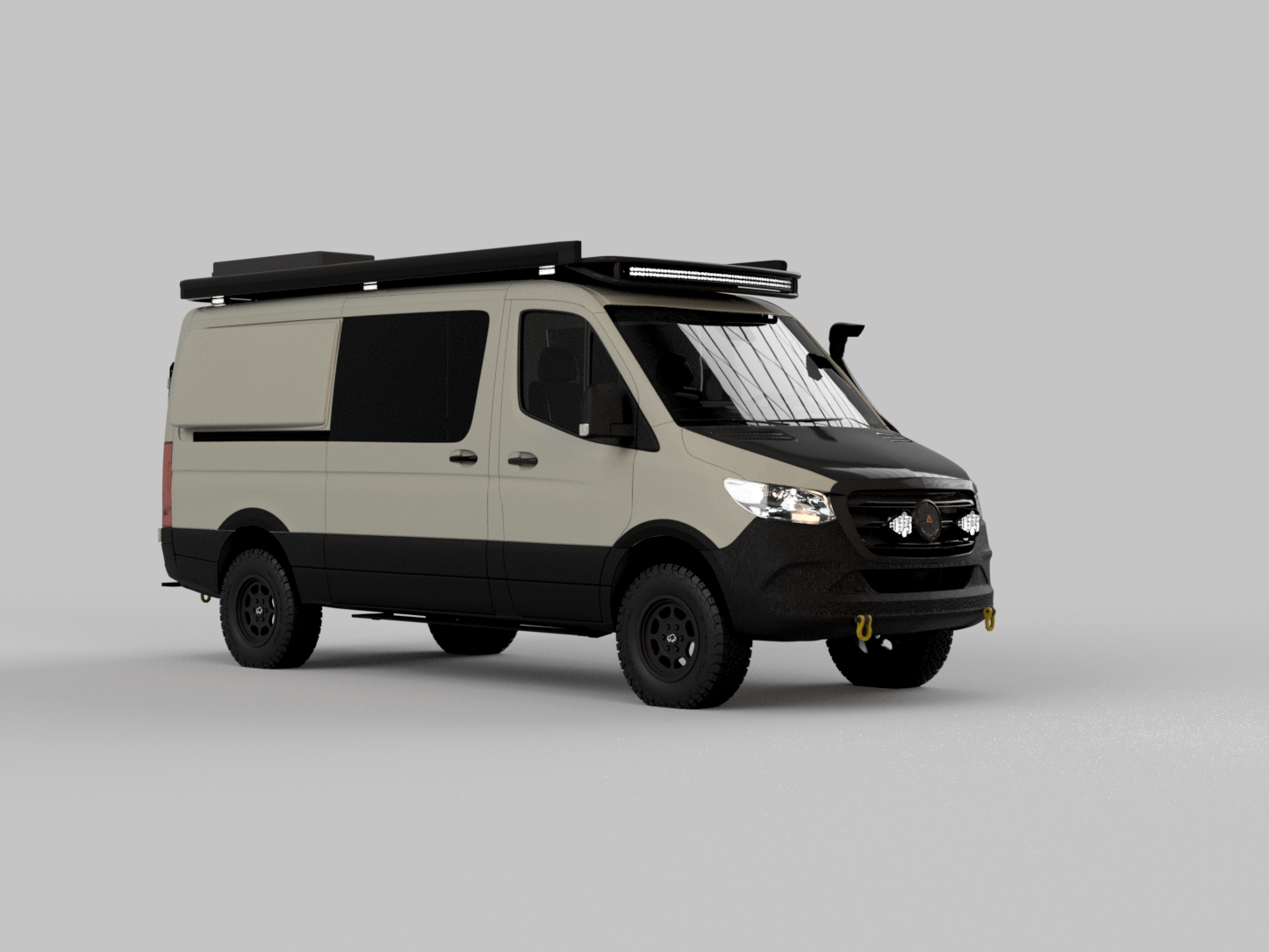
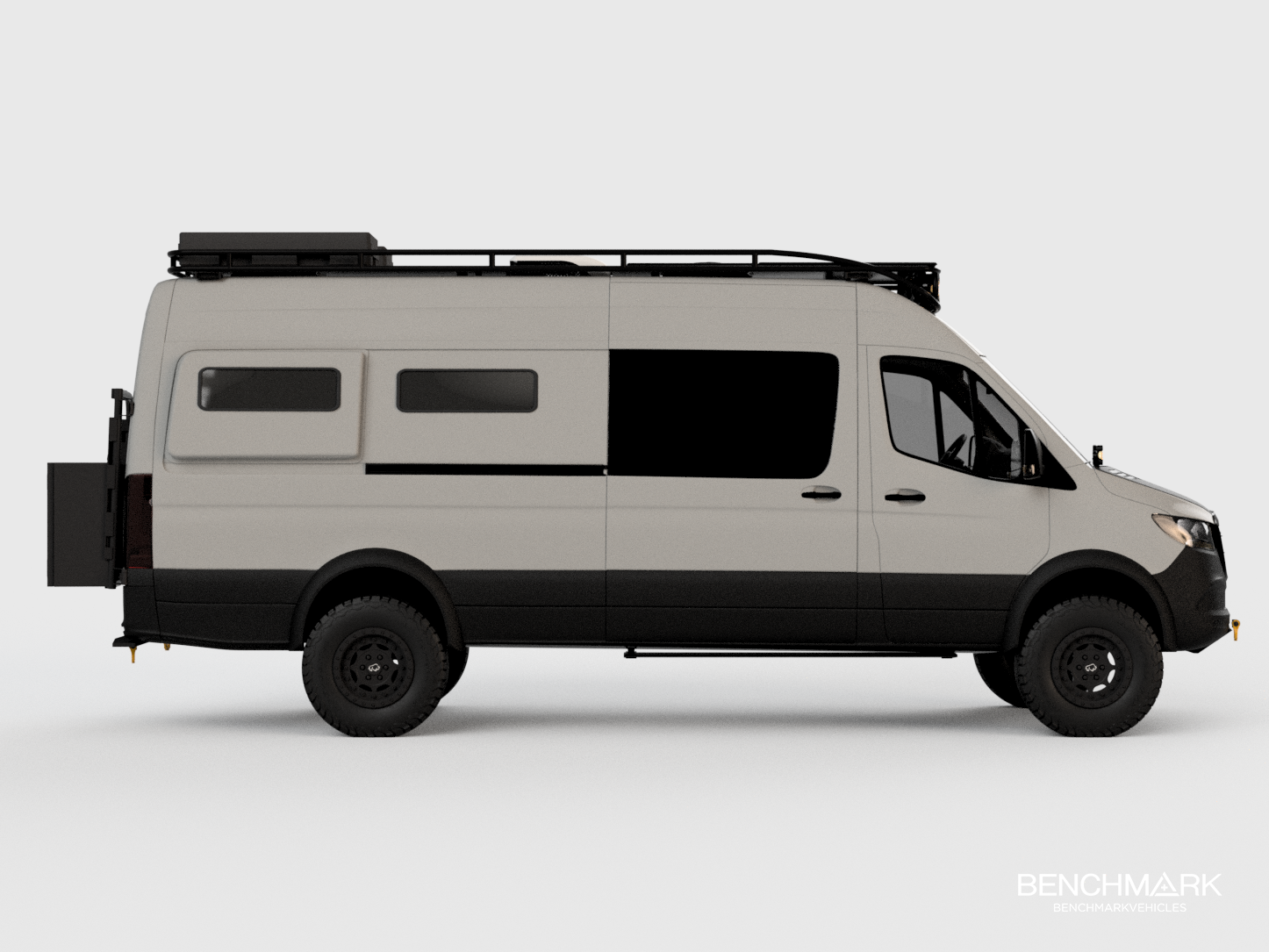
Renderings
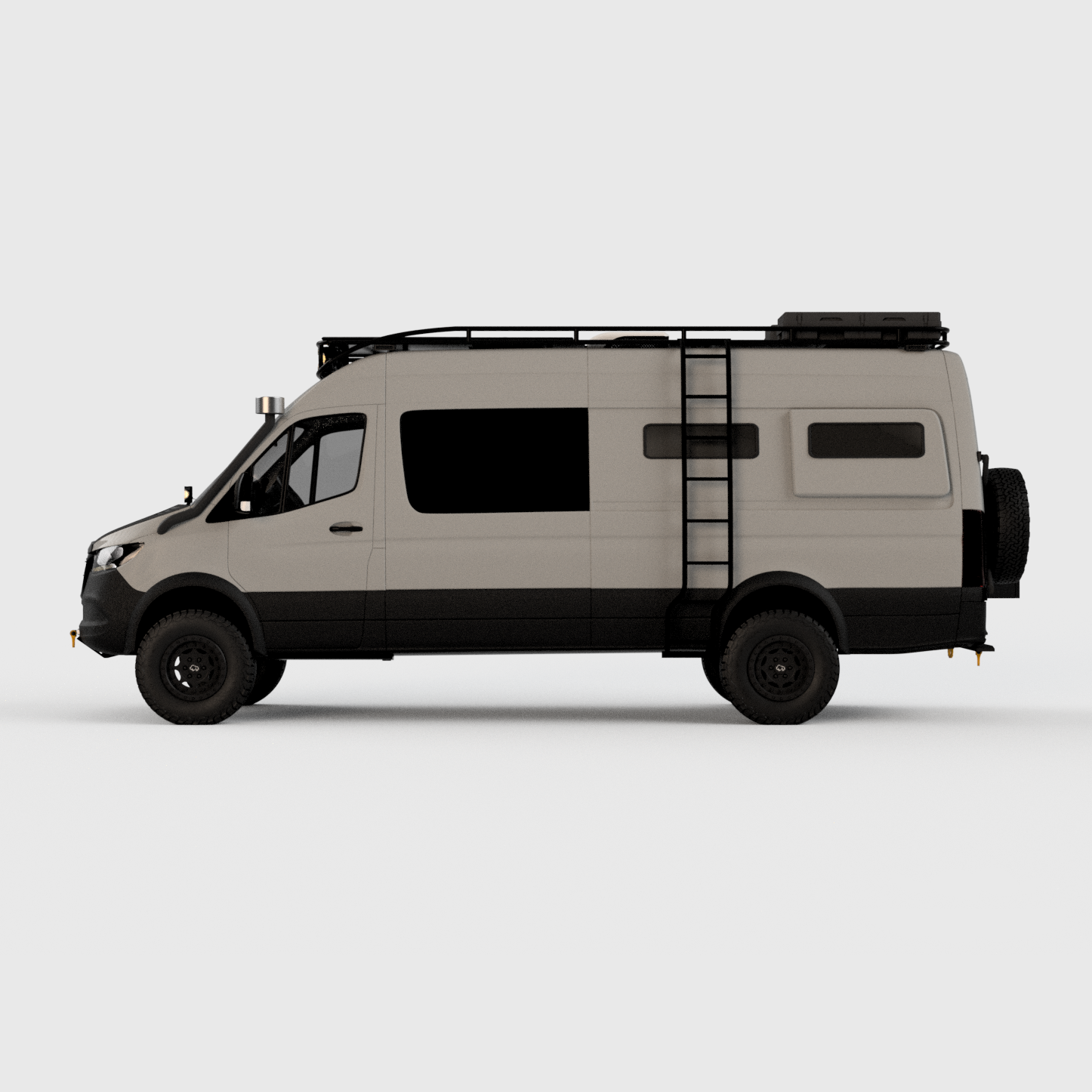
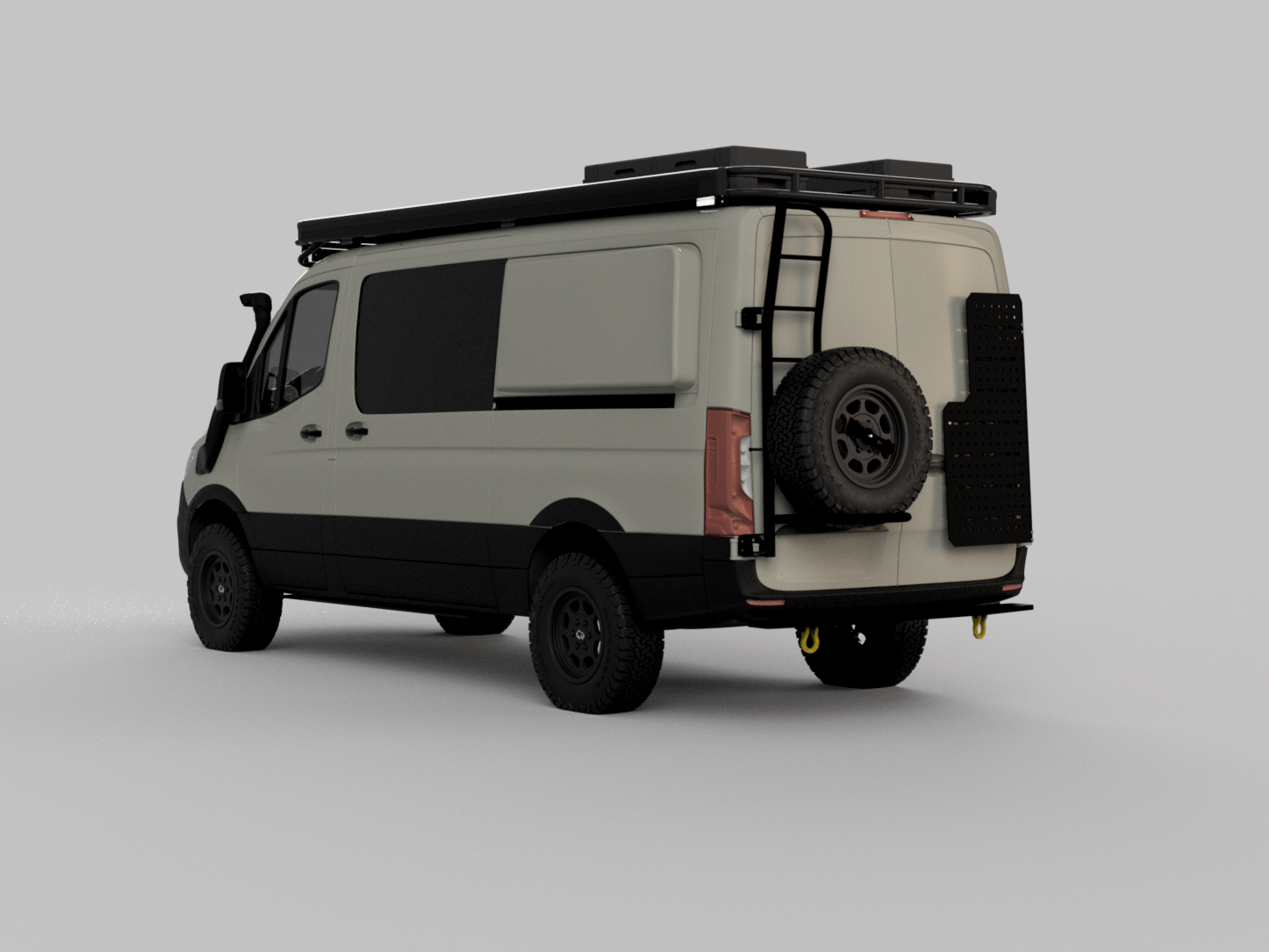
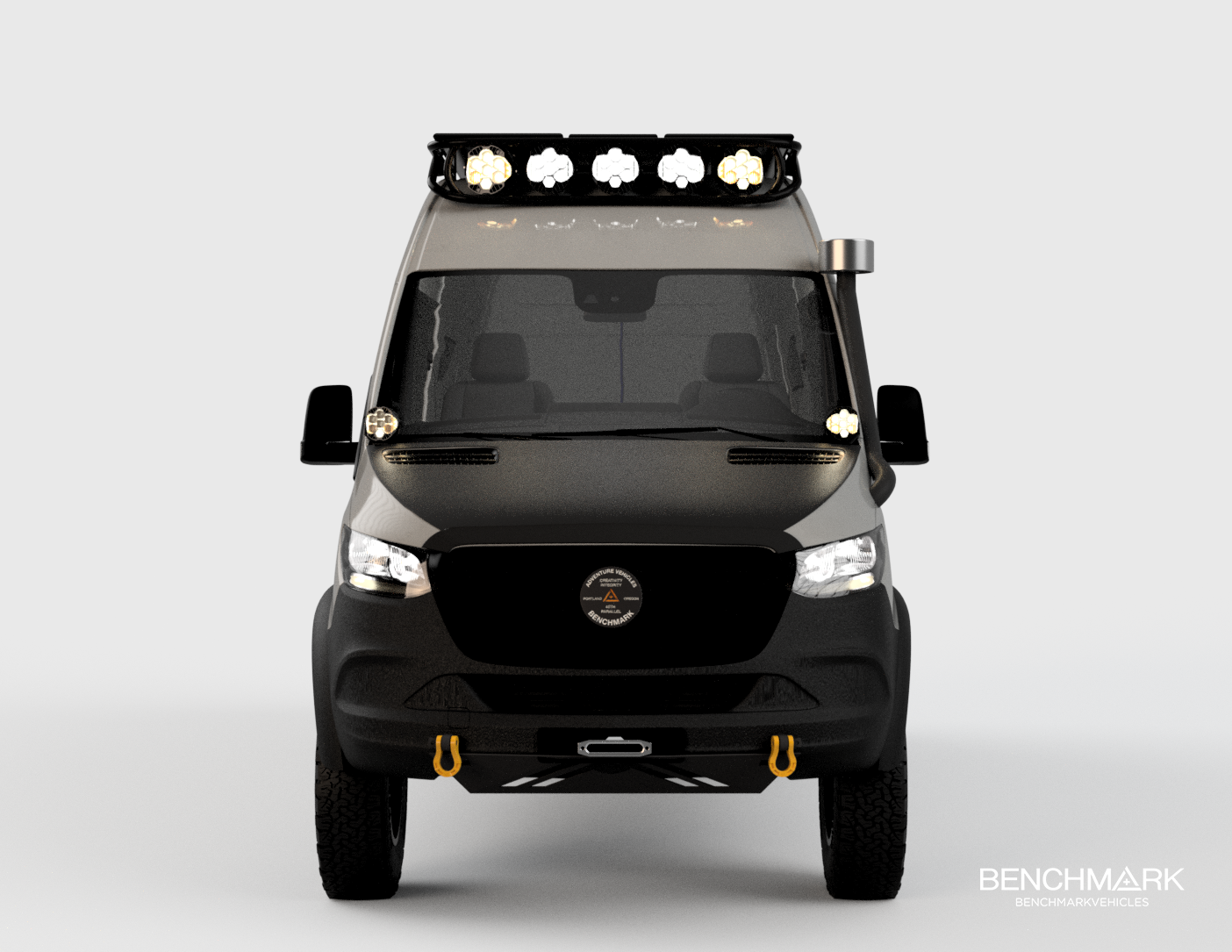
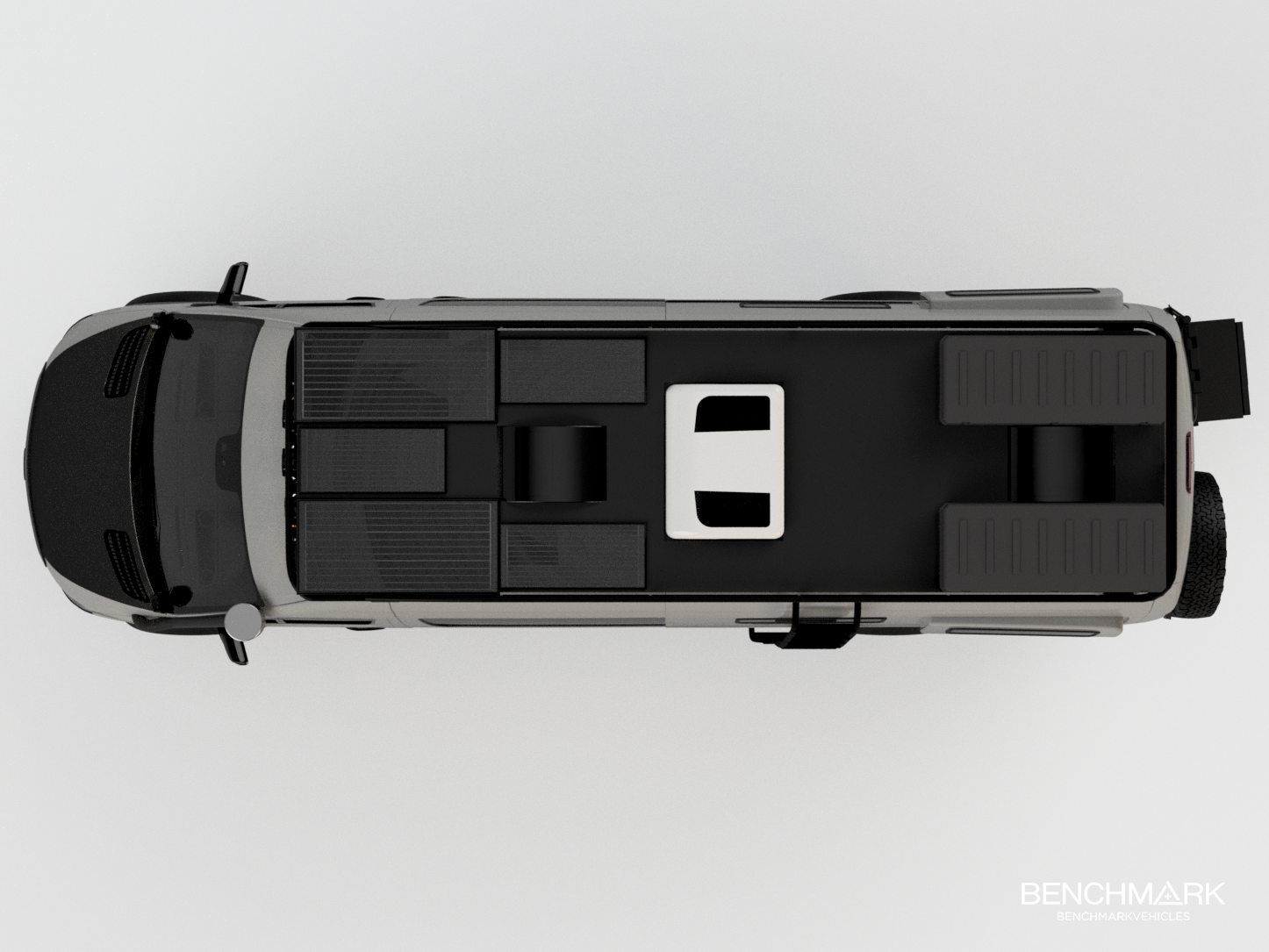
Starting from a blank shell, I grew the deliverables from 2D illustrator drawings into 3D renderings of the final product. This was most useful in our higher end clients and to visualize things before they were even built.
I started with a blank Sprinter surface model, edited and made parts functional using Blender. I then modeled each of the exterior components using pictures and dimensions found online using Fusion 360 and combined the van’s surface model and the parts into the rendered assembly.

Prototyping
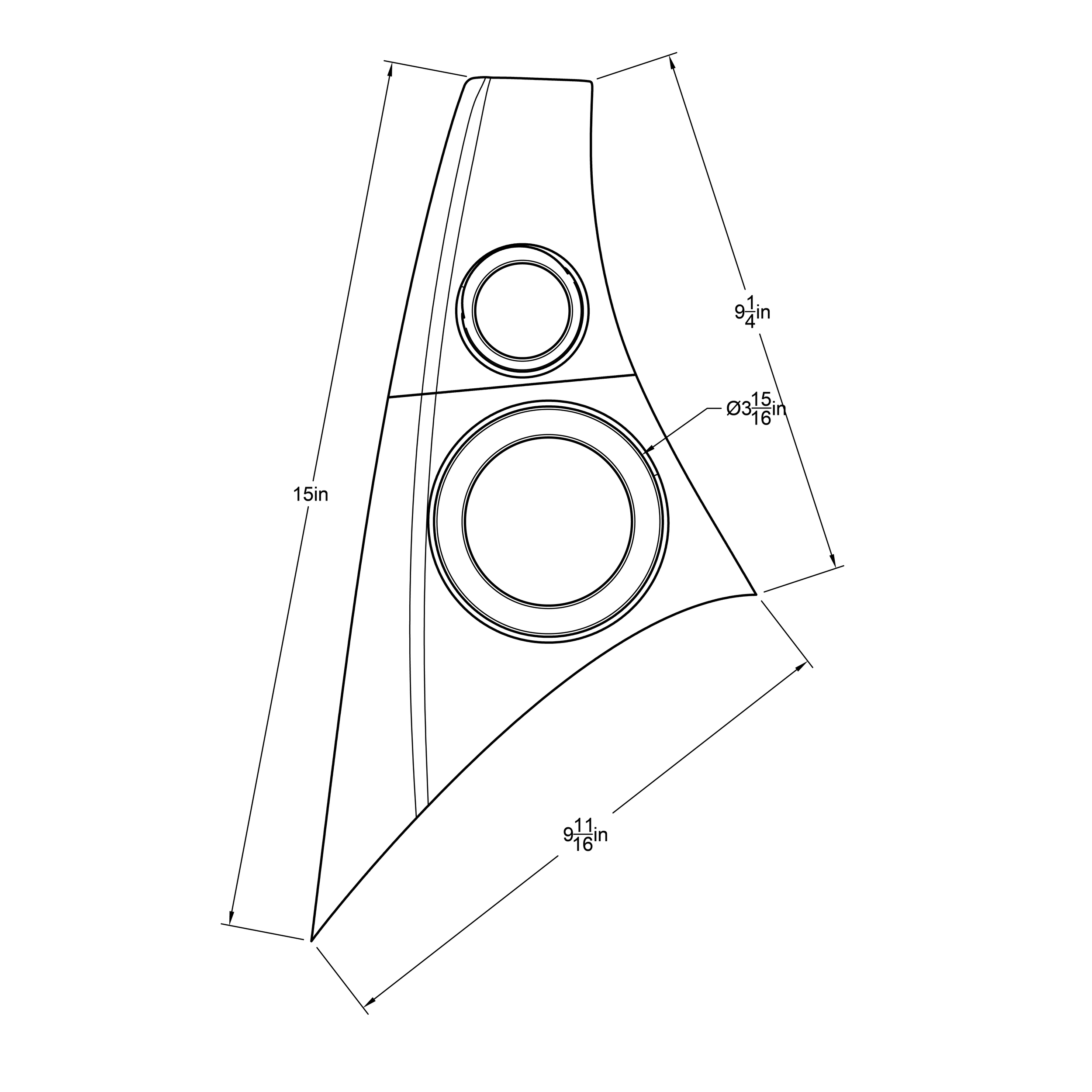
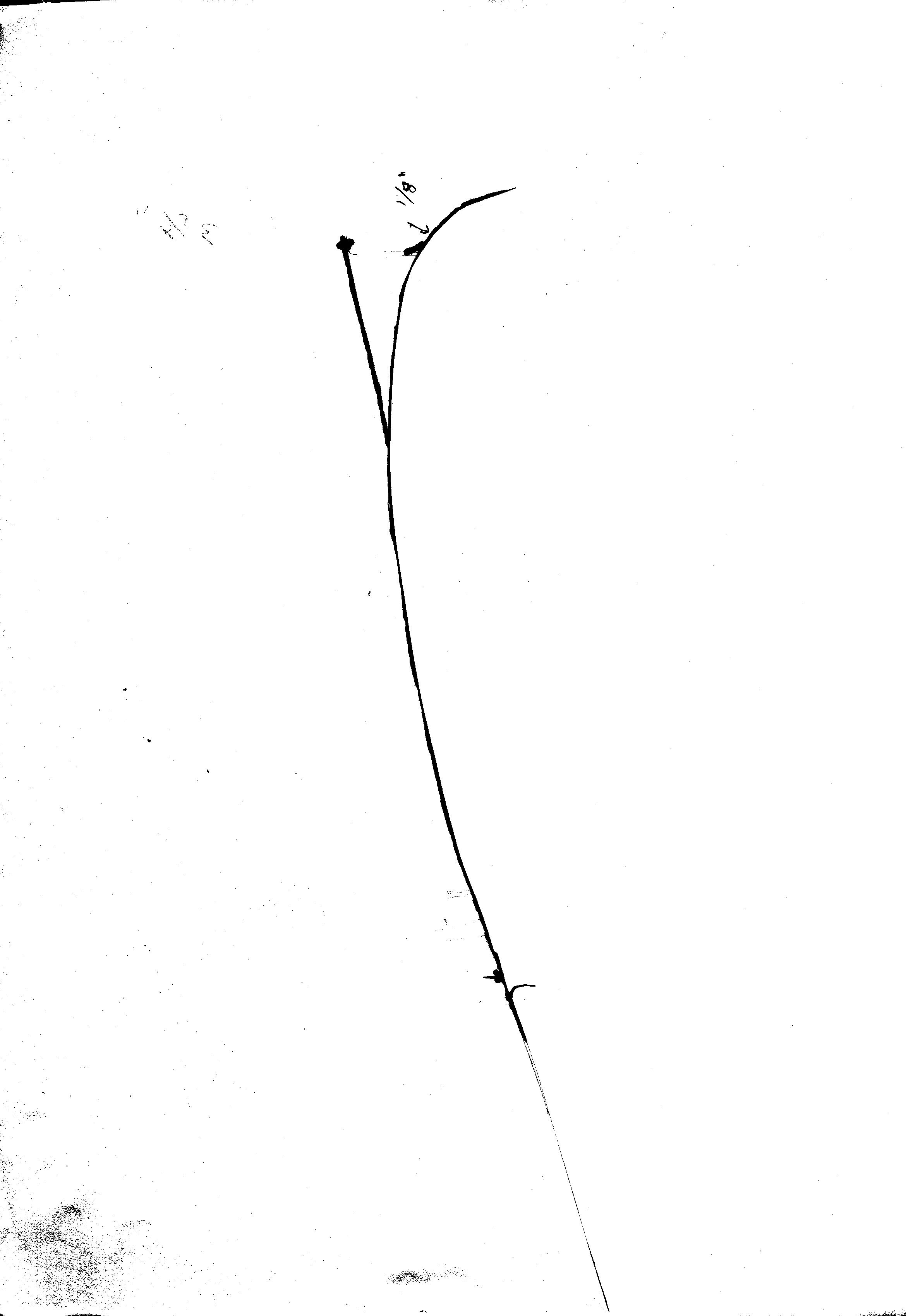
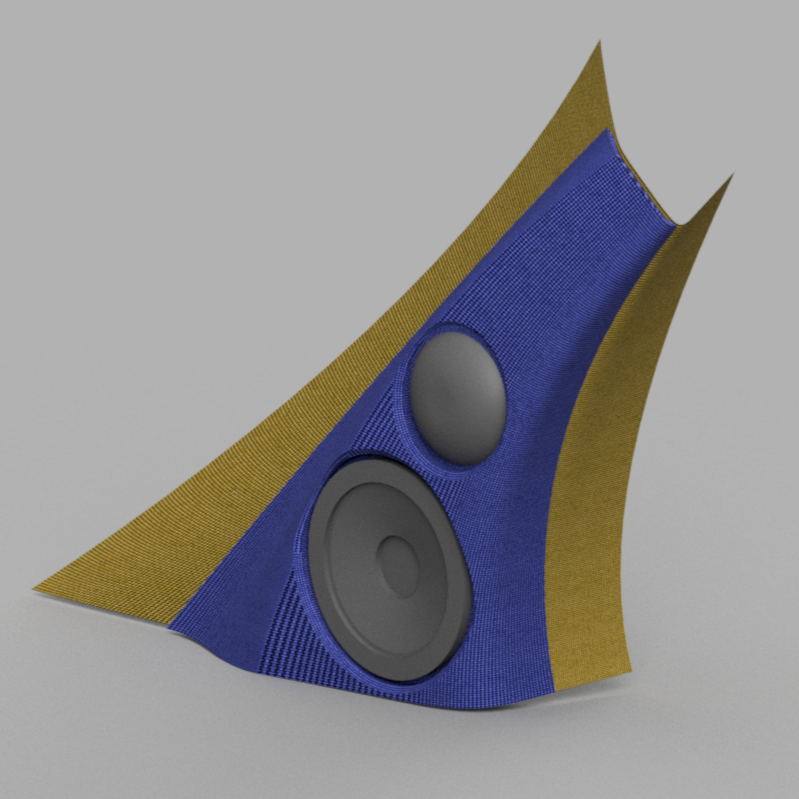
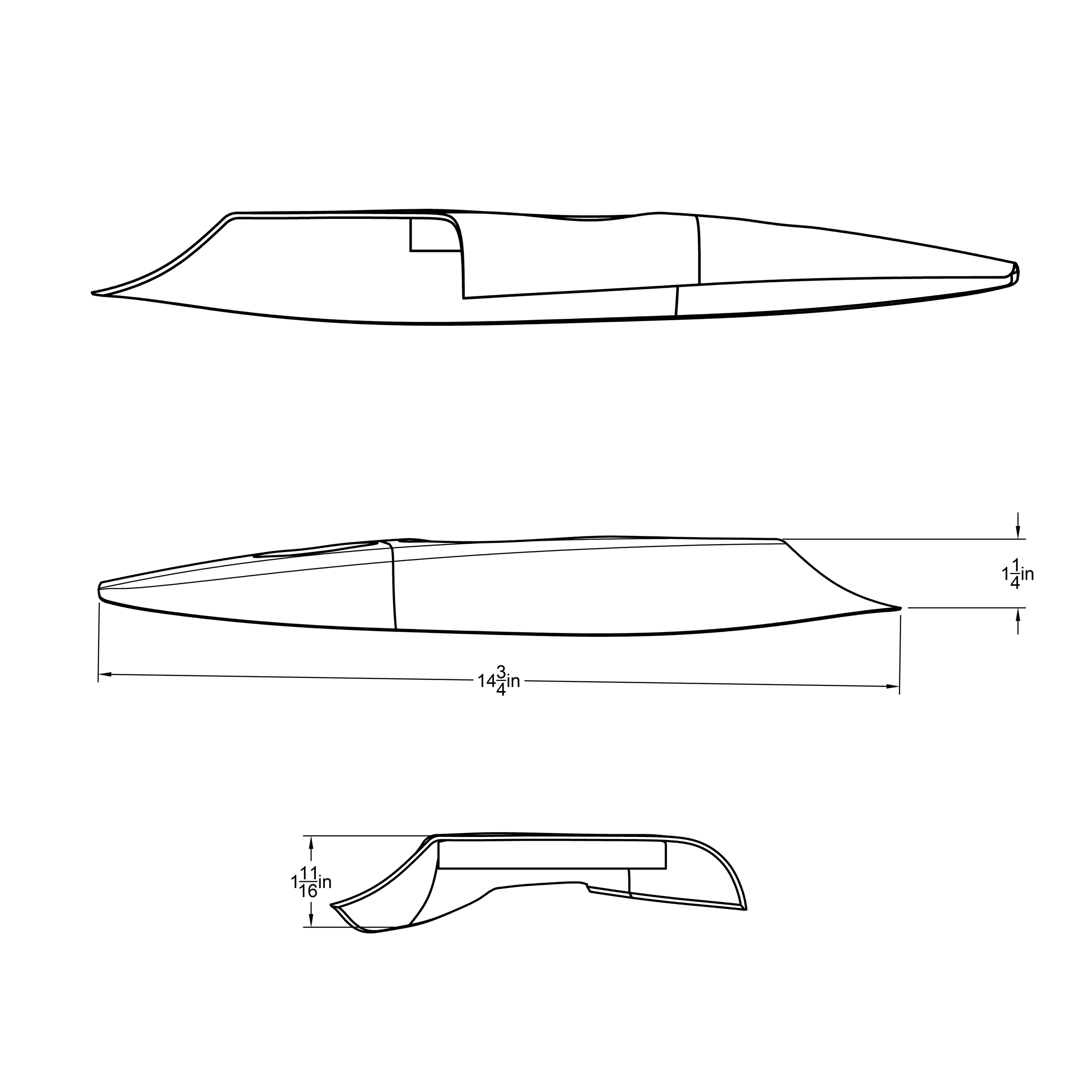
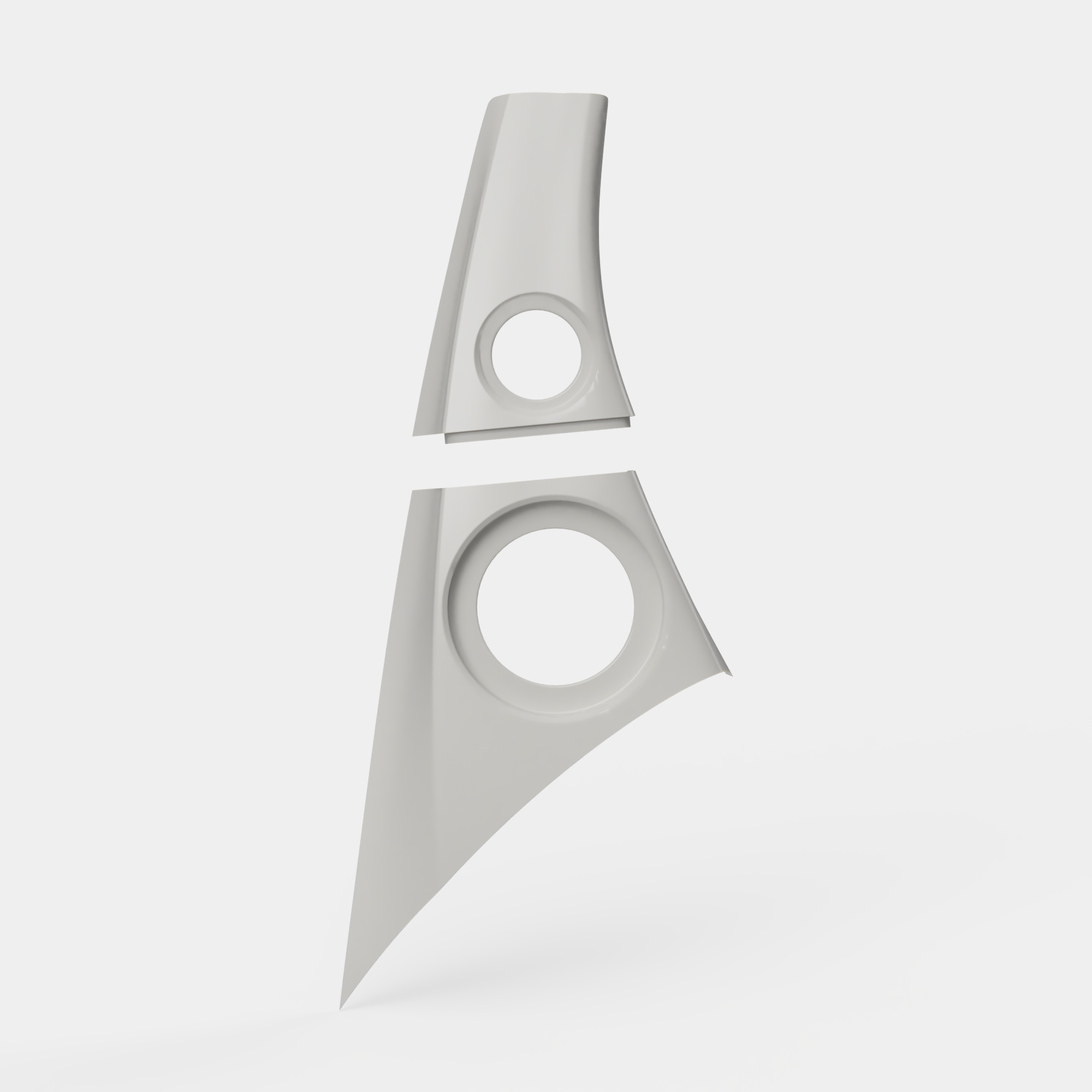
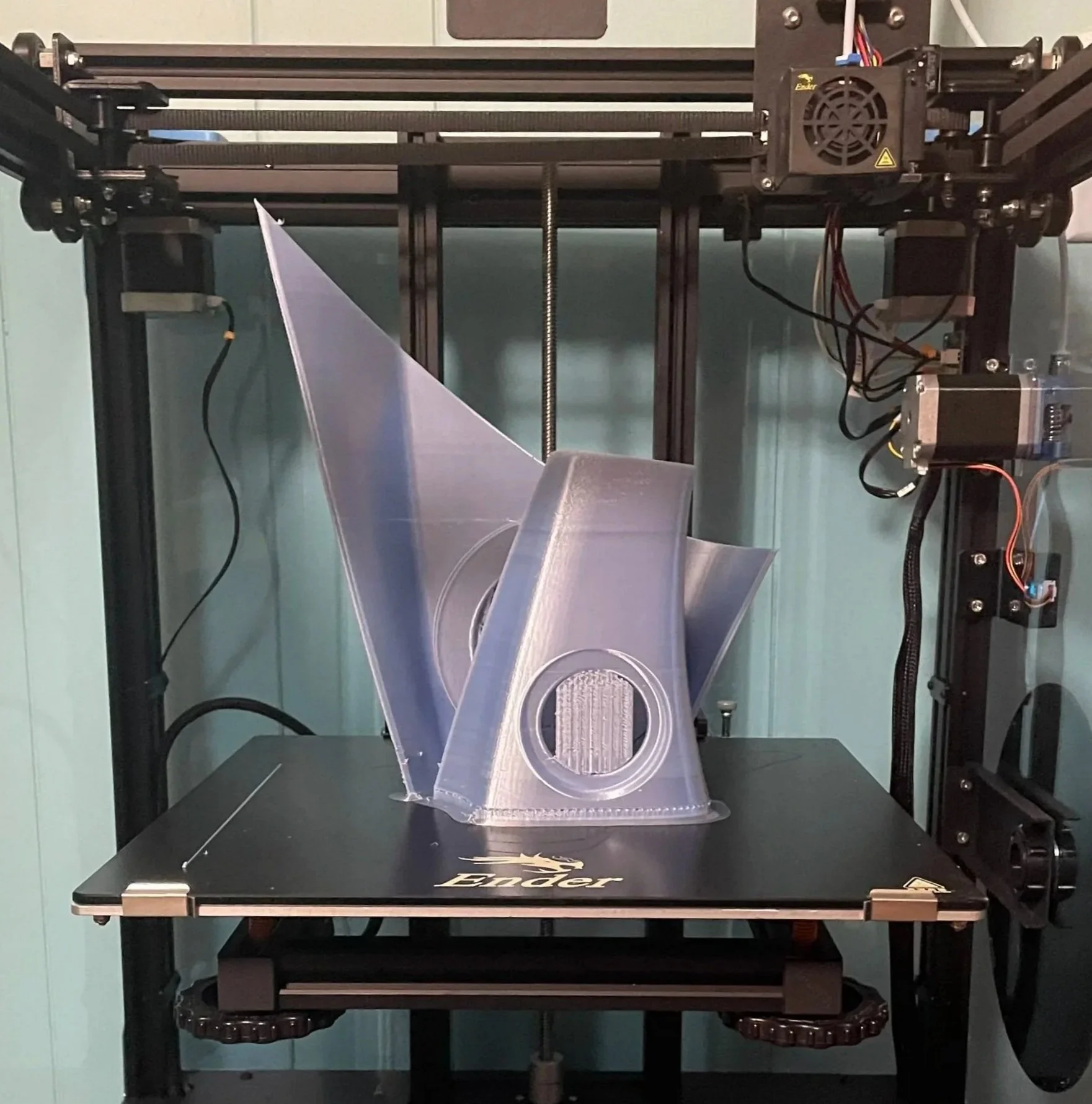
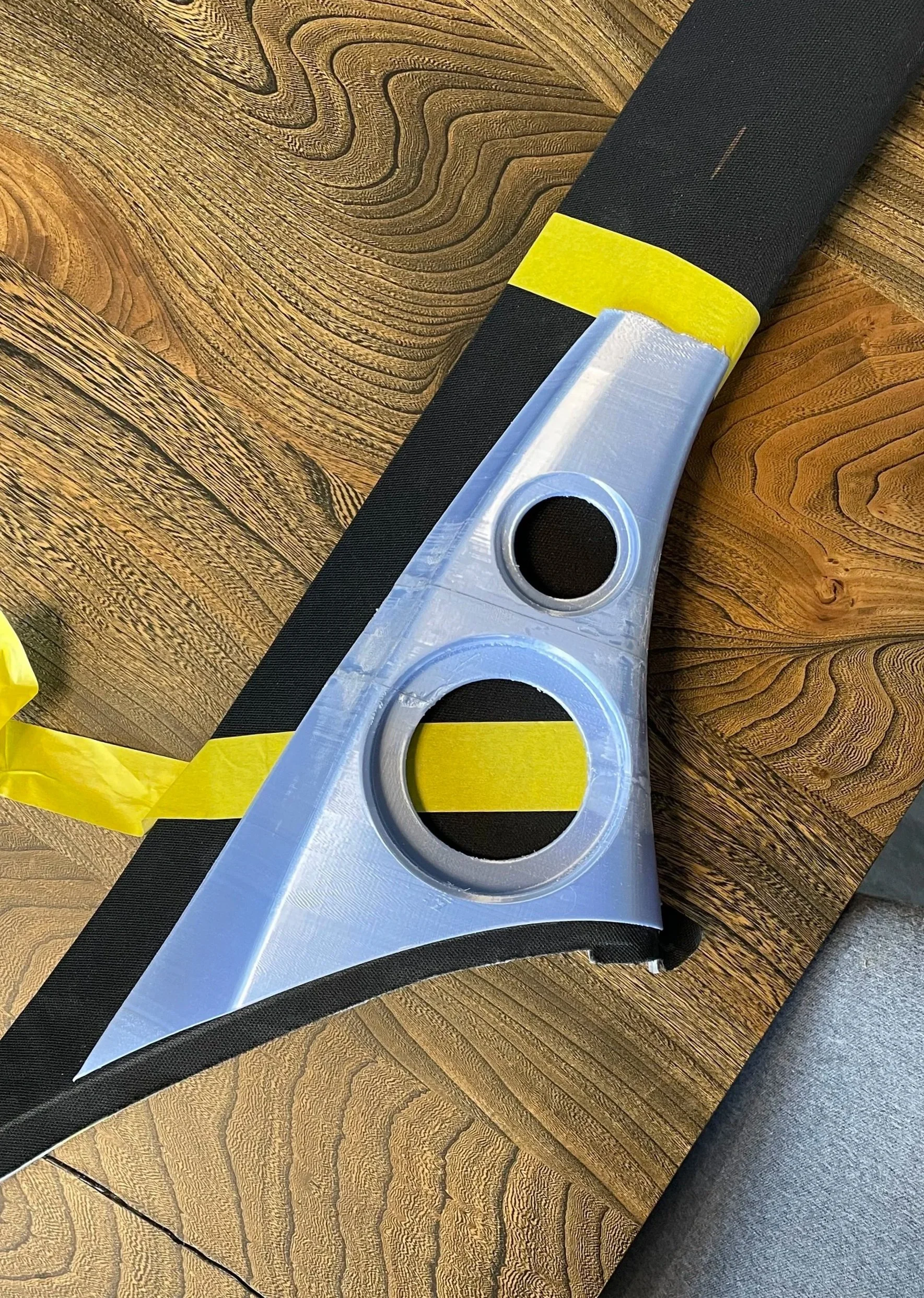
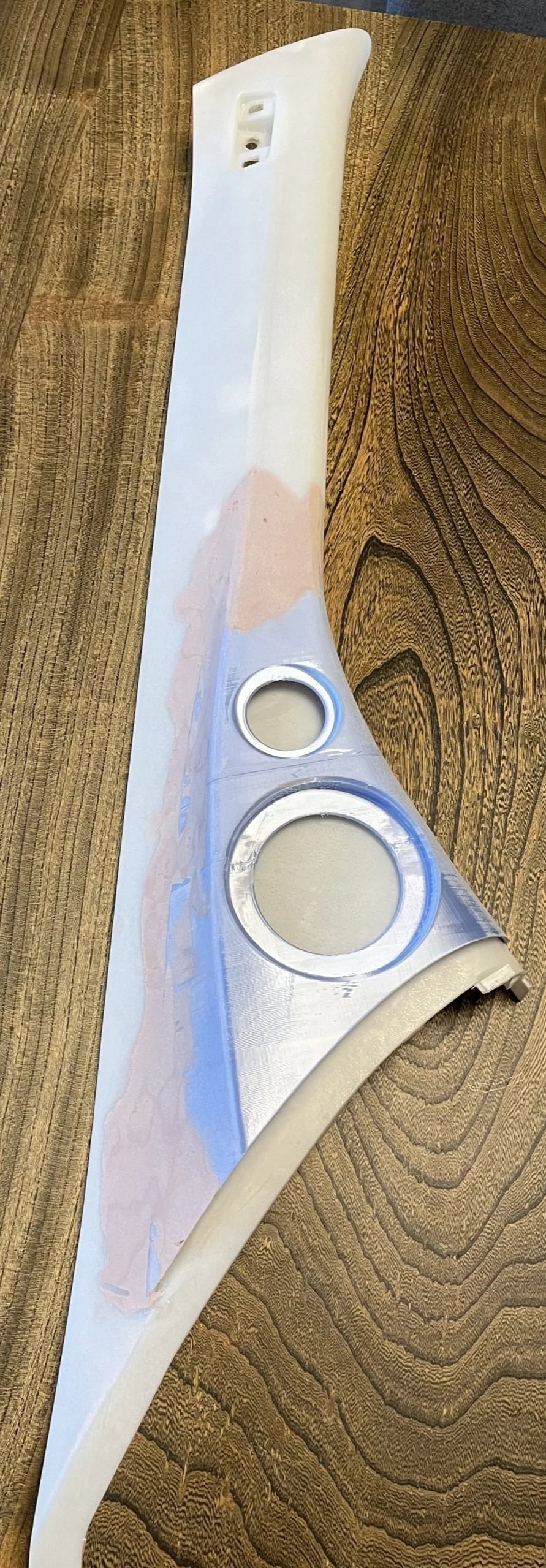
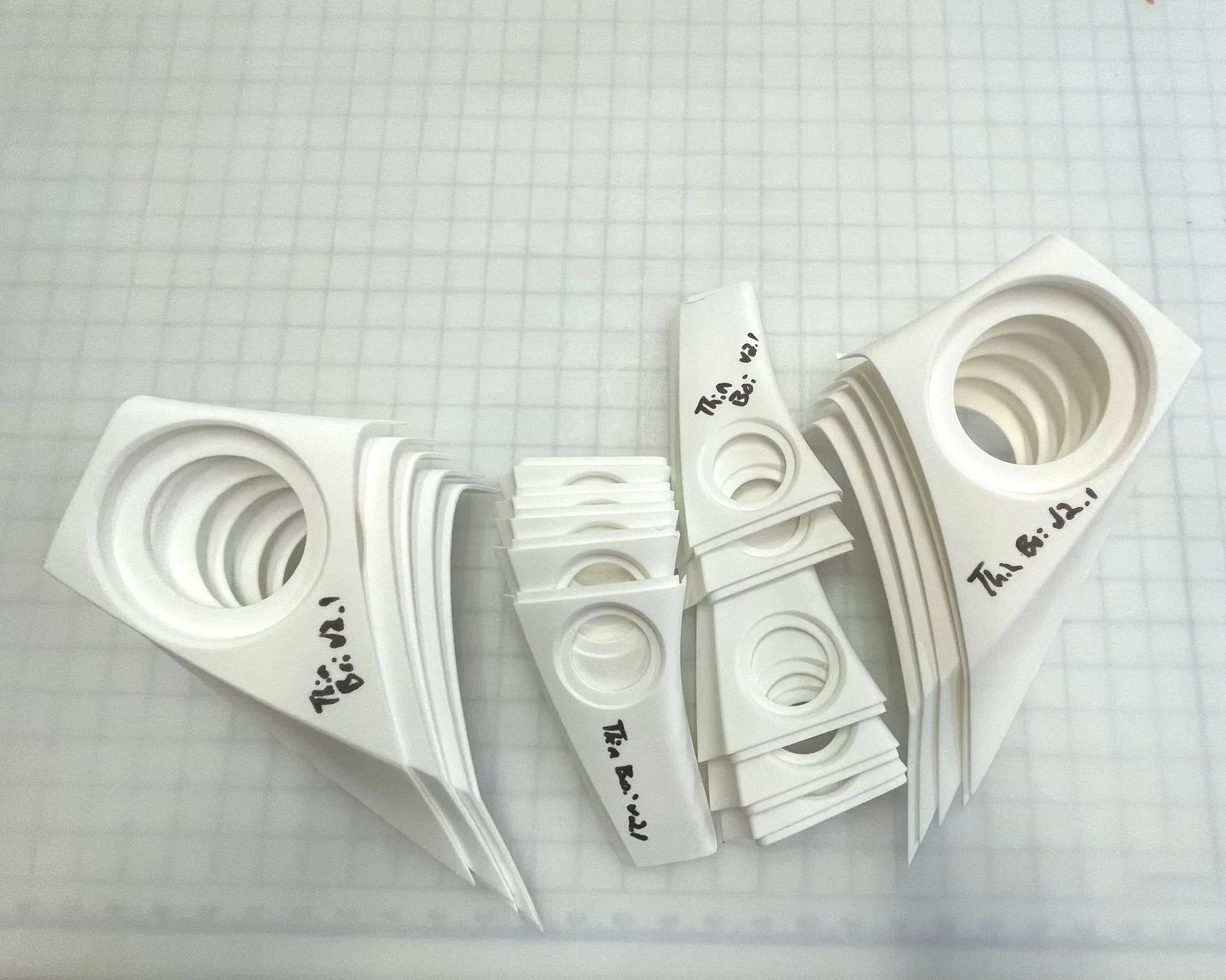
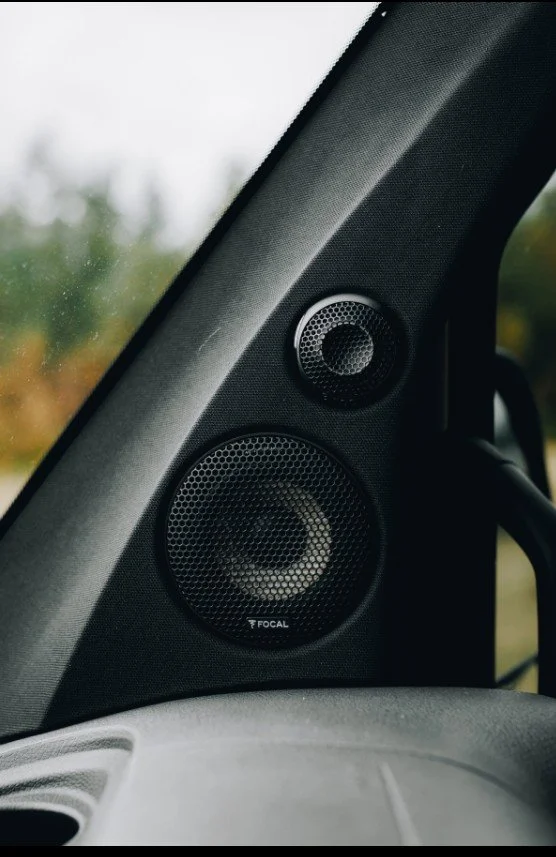
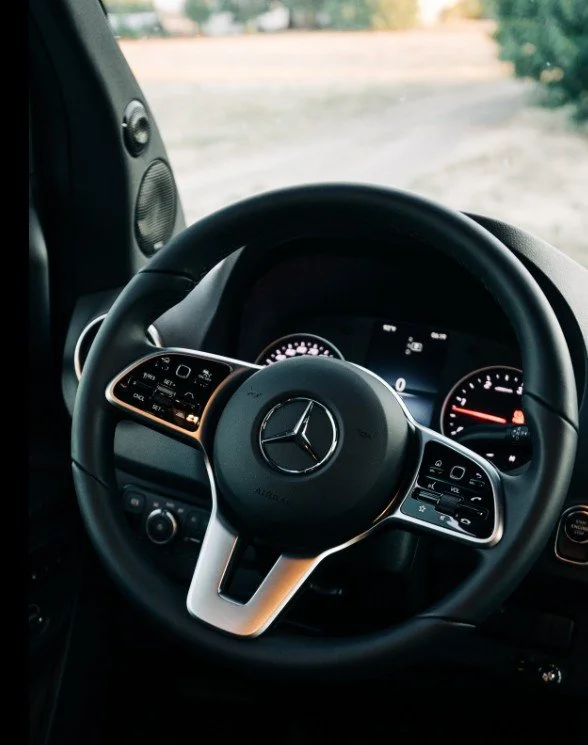
I developed new parts like this that would either speed up the build process or increase functionality. This “A-pillar speaker” created speakers in a zones that would usually be dead space. My initial prompt was to just create a bump on the surface, but I think a seamless solution that looks built-in and factory would be the better move.
I took scribes of the difference surfaces and created a 3D surface model of the area. I offset the faces and created the initial surface modeled design, then further honed that design to a 3D prototype. I then printed and tested a few versions before sending it off to be printed in scale. To install, it took minor blending and gluing, then was wrapped and installed. Pretty happy with the outcome, these are now an add on option in Benchmark’s audio system for clients to purchase.

Sheet Metal Parts
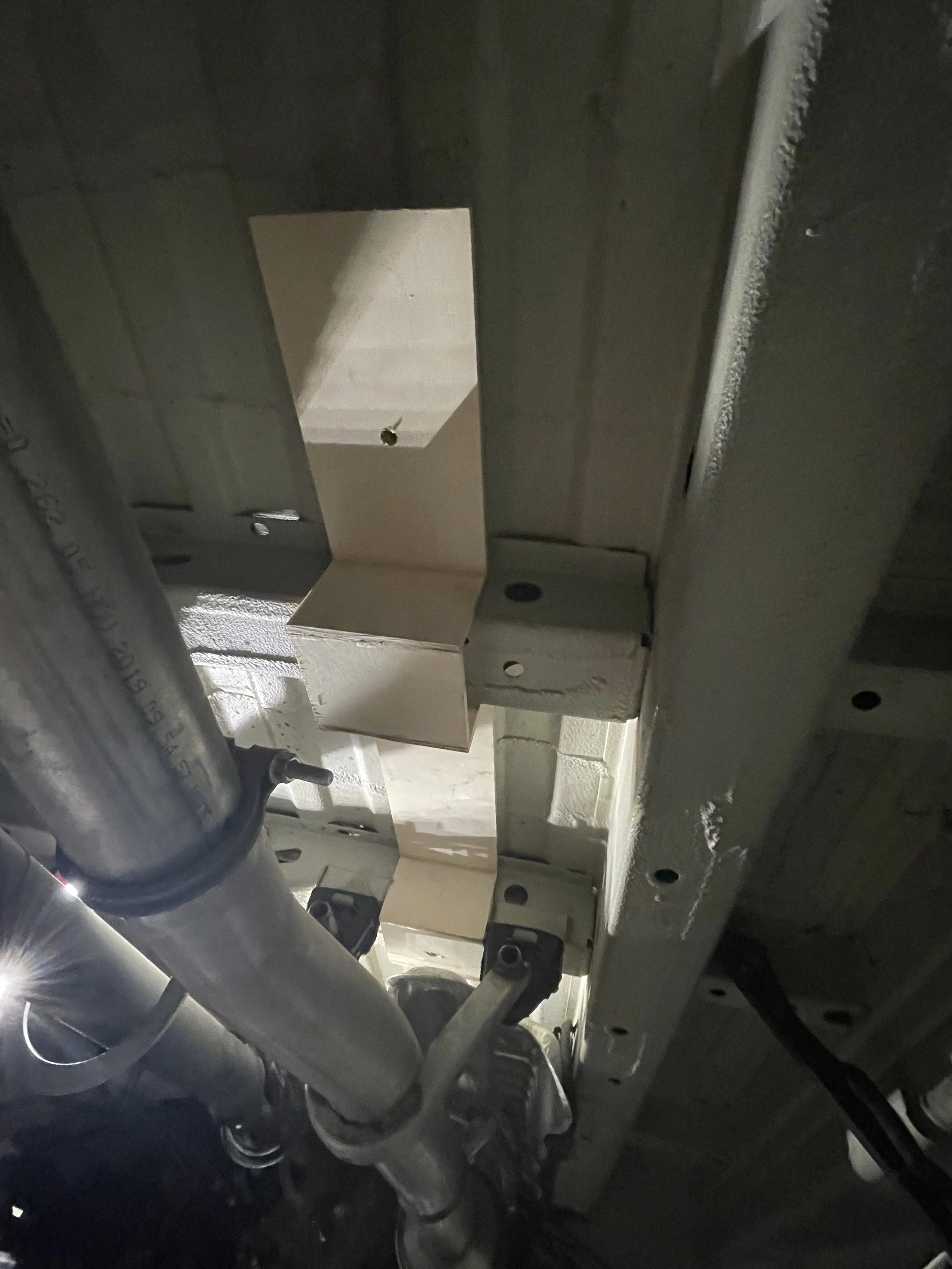
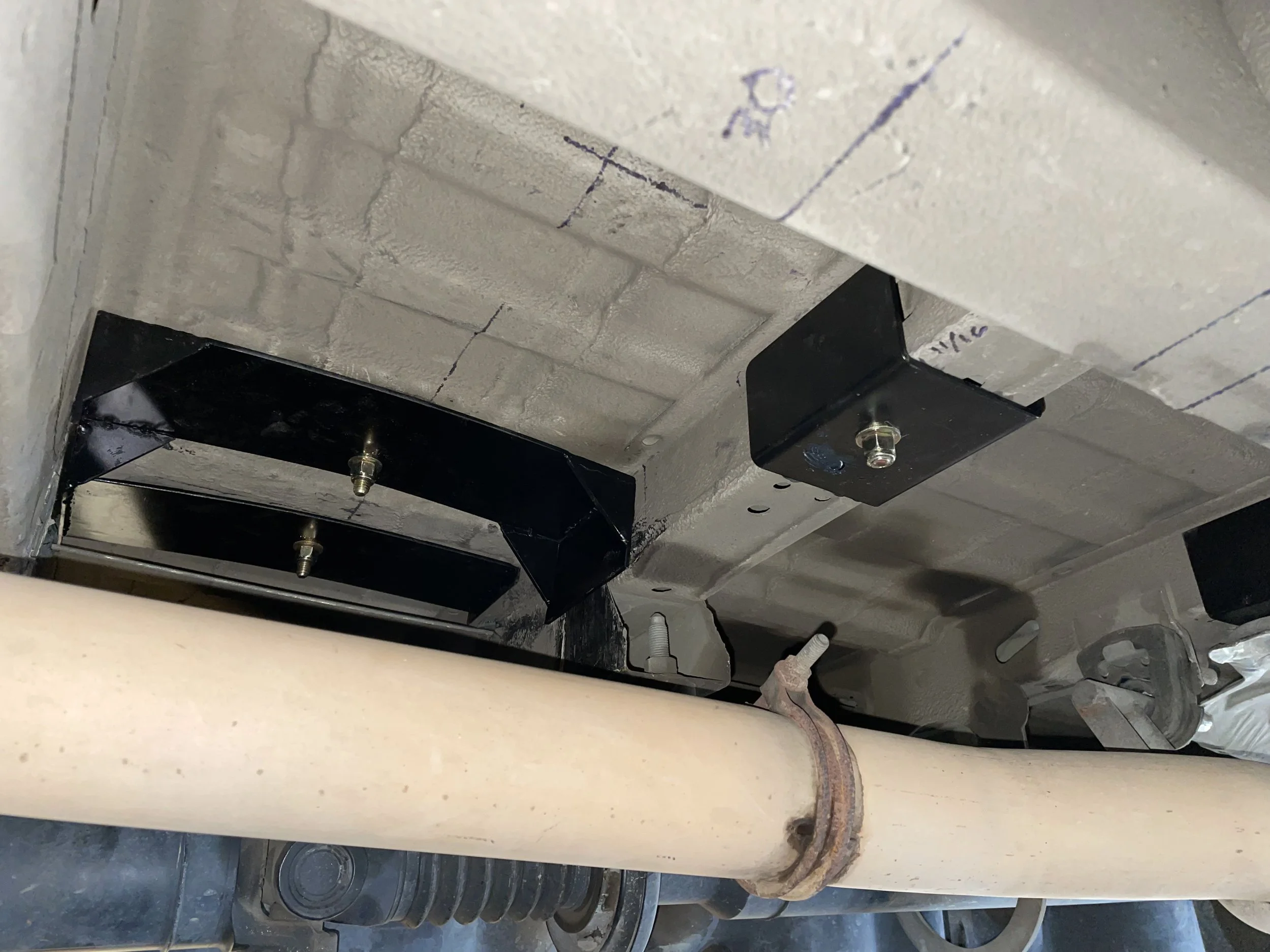
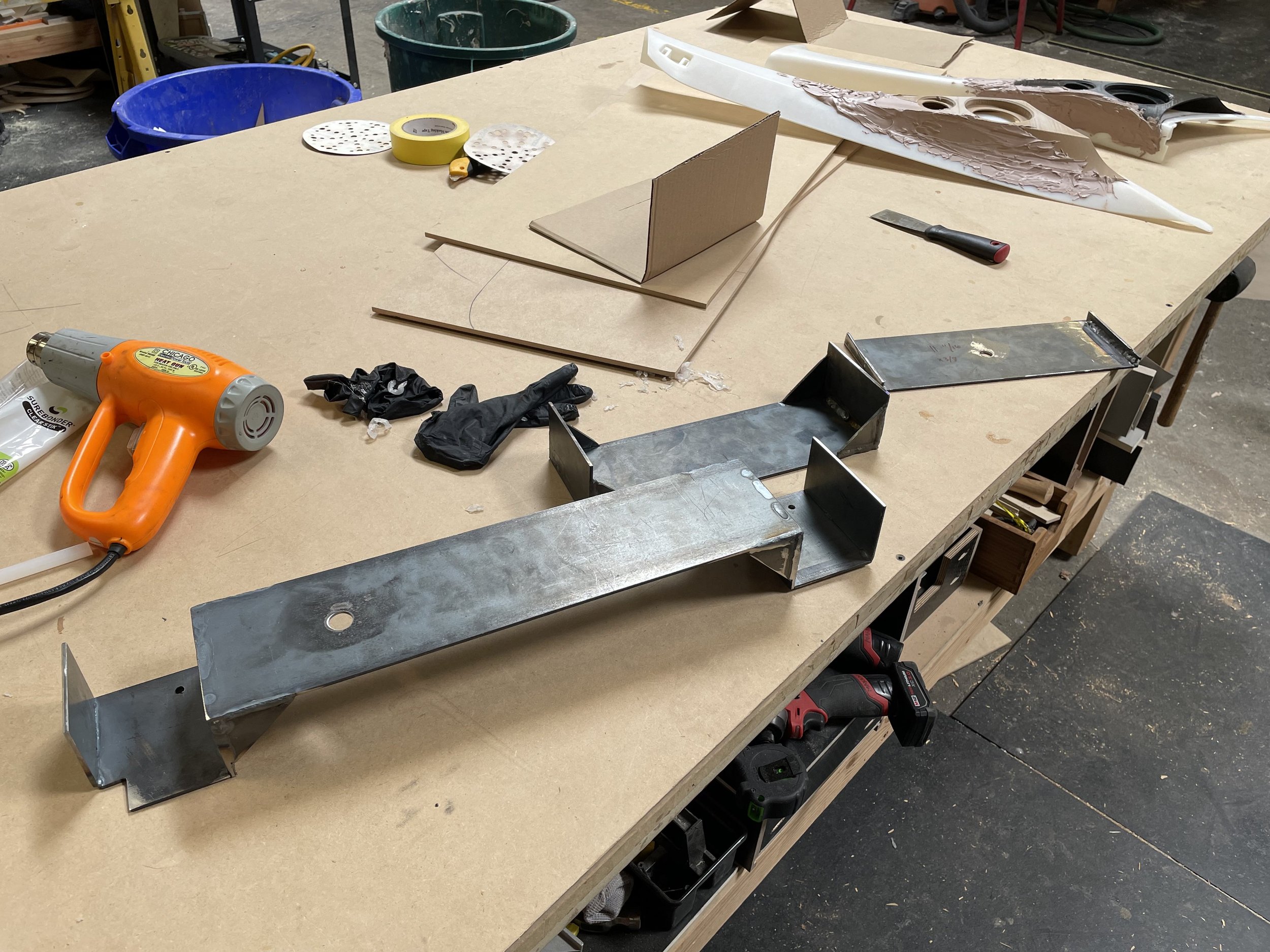
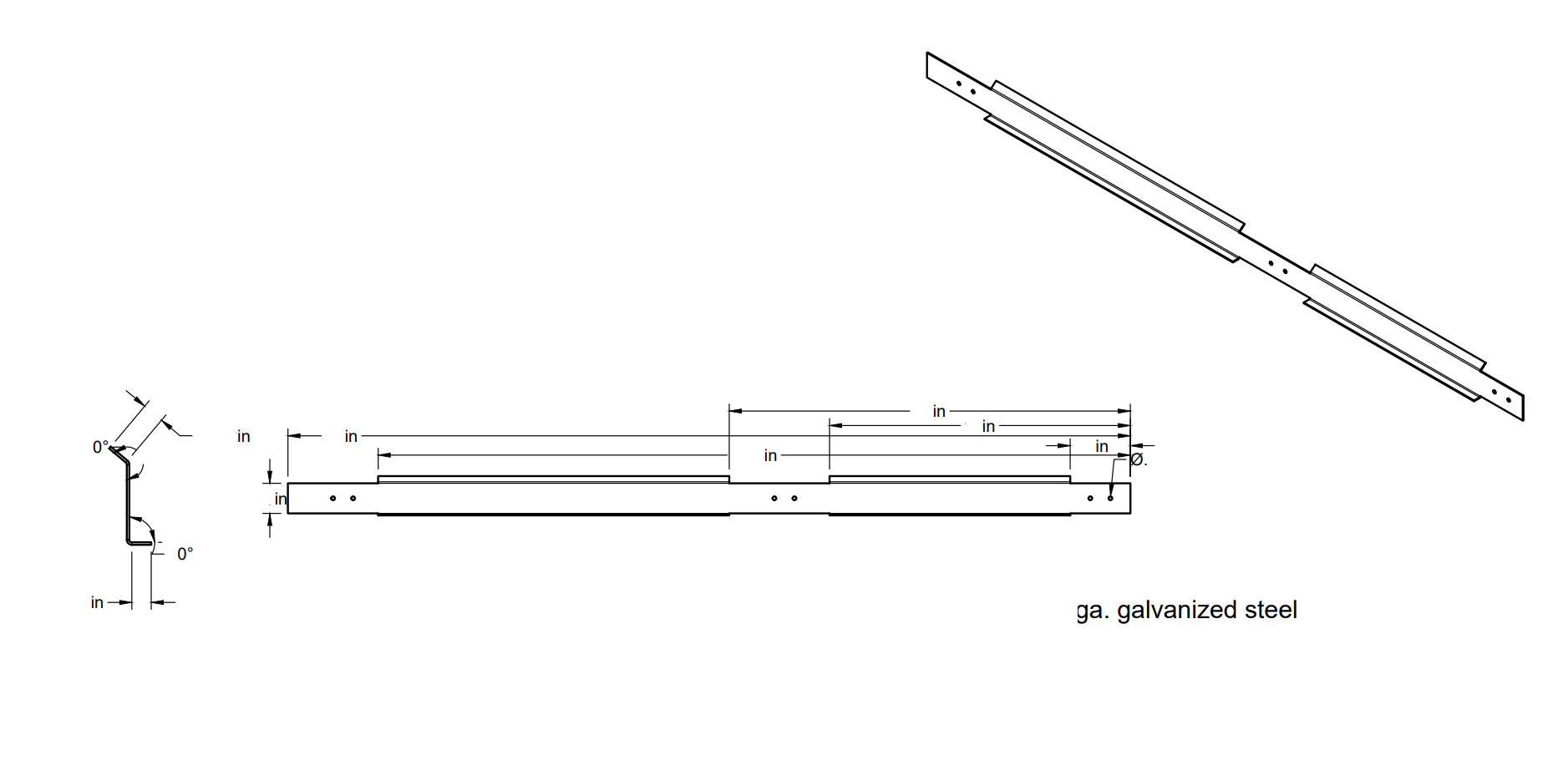
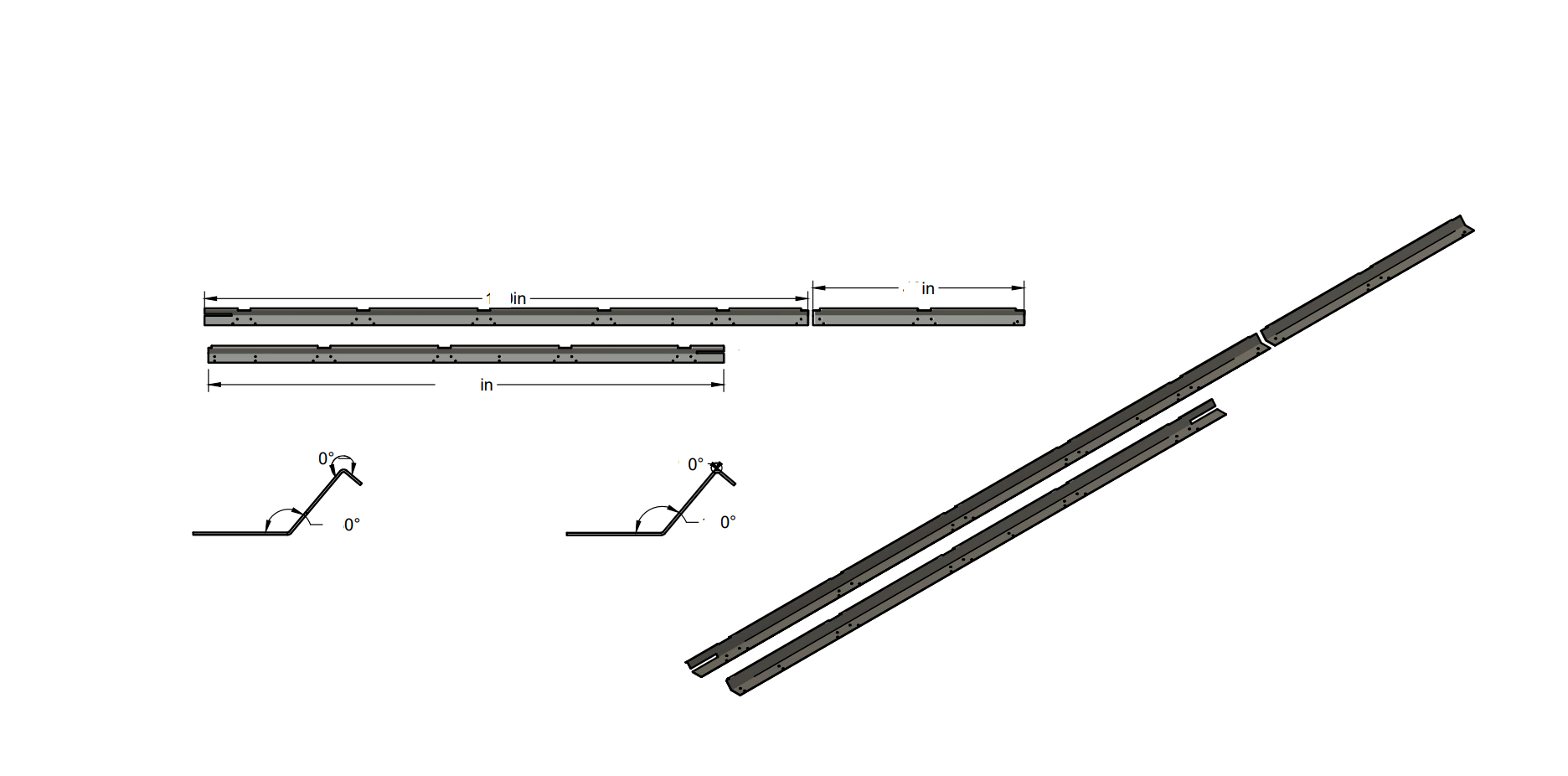
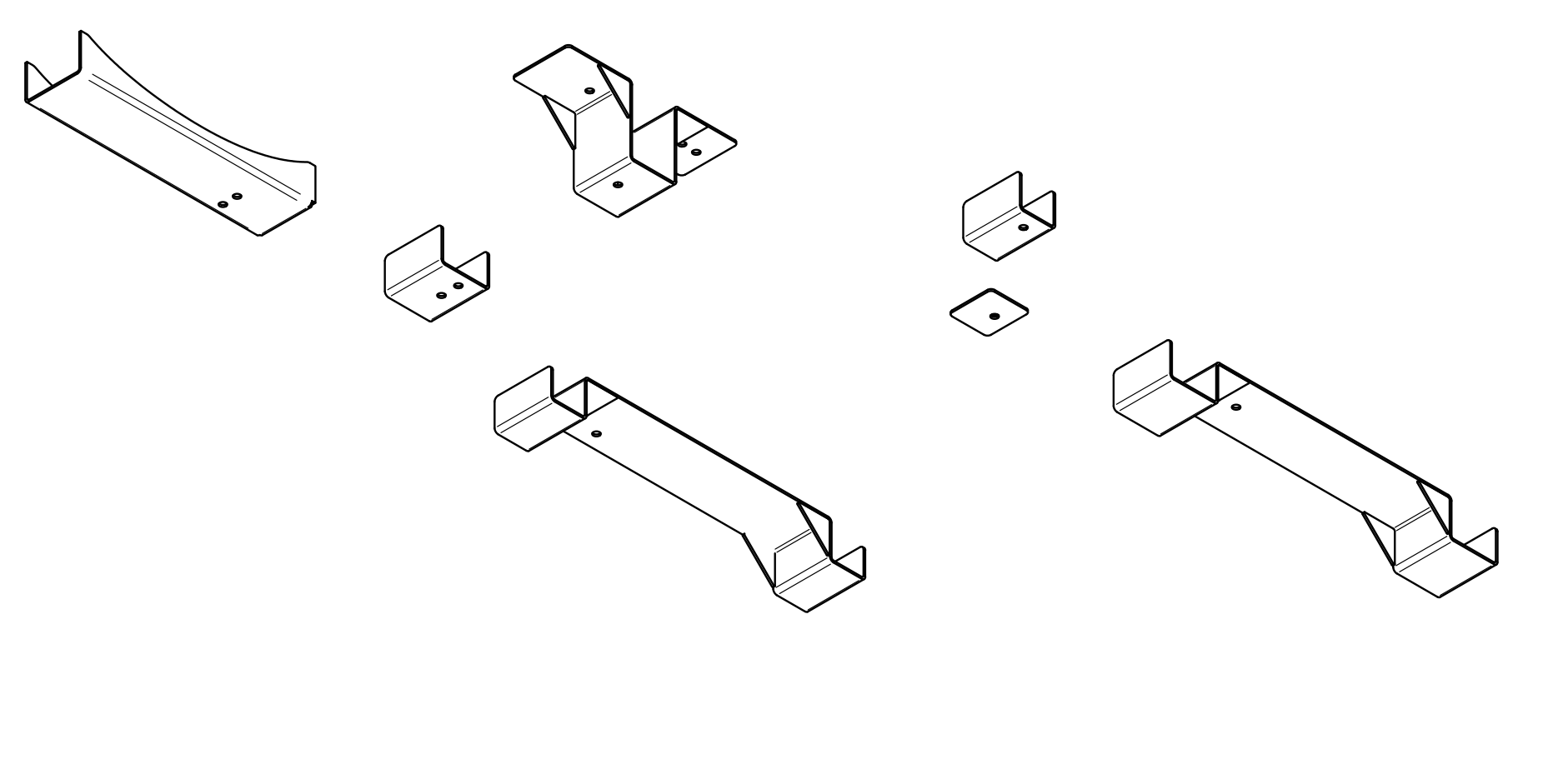
I created sheet metal parts and fittings as needed in many different projects. Could be a one off propane tank holder, infrastructure for the van to beef up sheet metal attachment points, adjustments to existing hardware or anything that helps speed up install at scale.
The main brackets pictured are apart of the Scopema seat base attachment points, they give the seat crash-tested support reinforcement. These were produced in scale and 200+ brackets were ordered from a local manufacturer, that process I also managed including assembly instructions and packaging.


Cabinetry
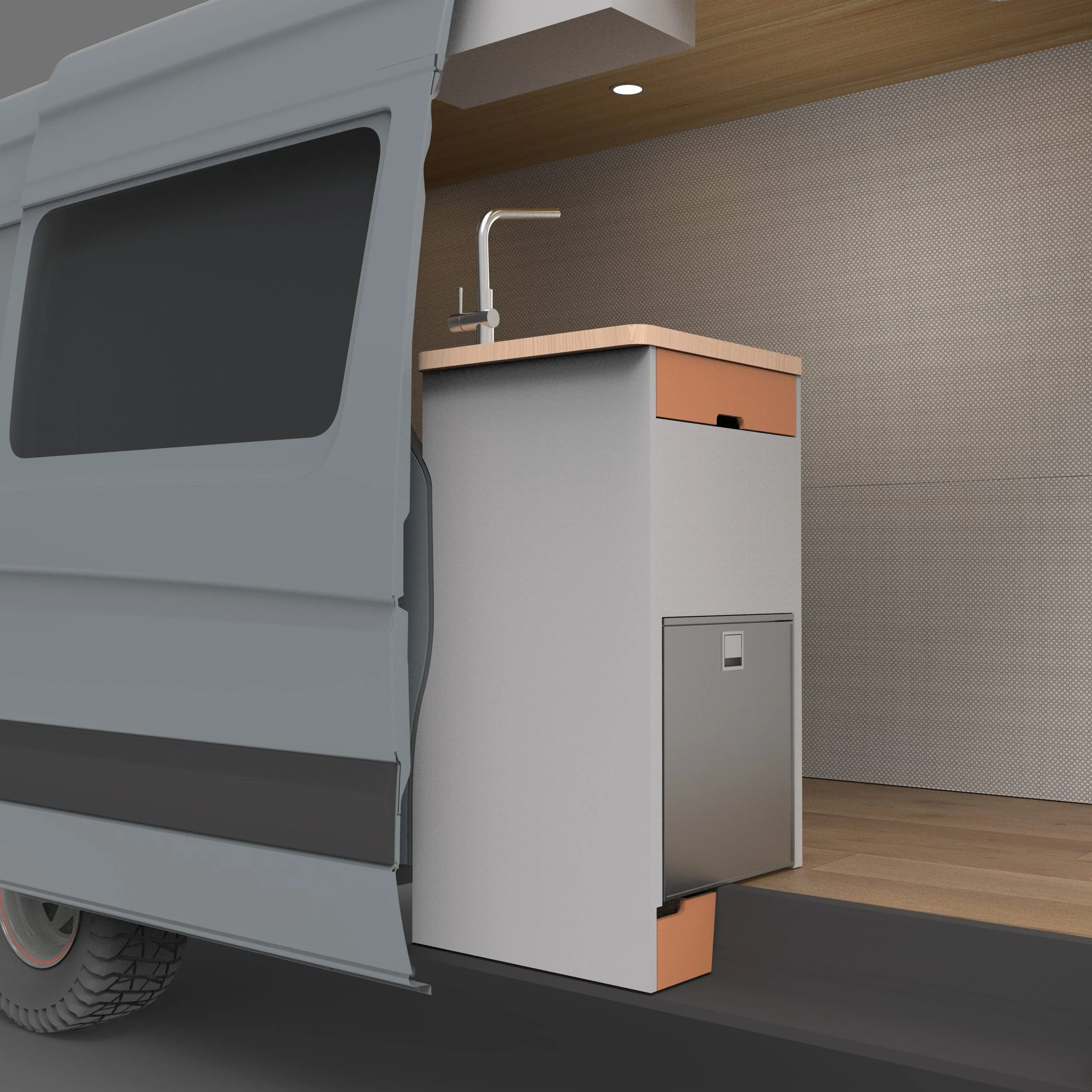
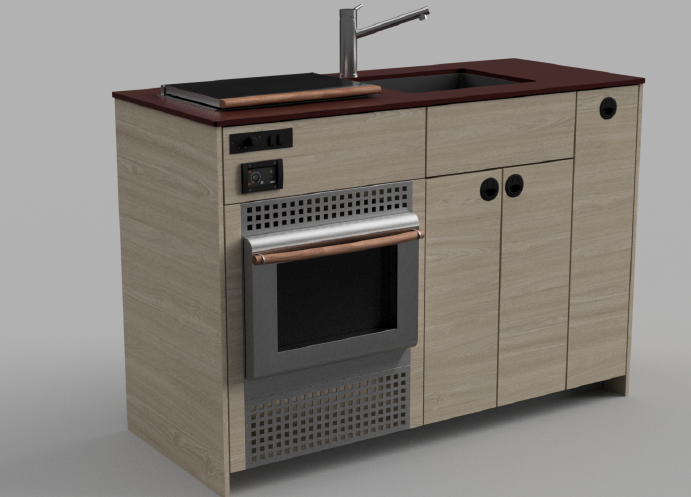
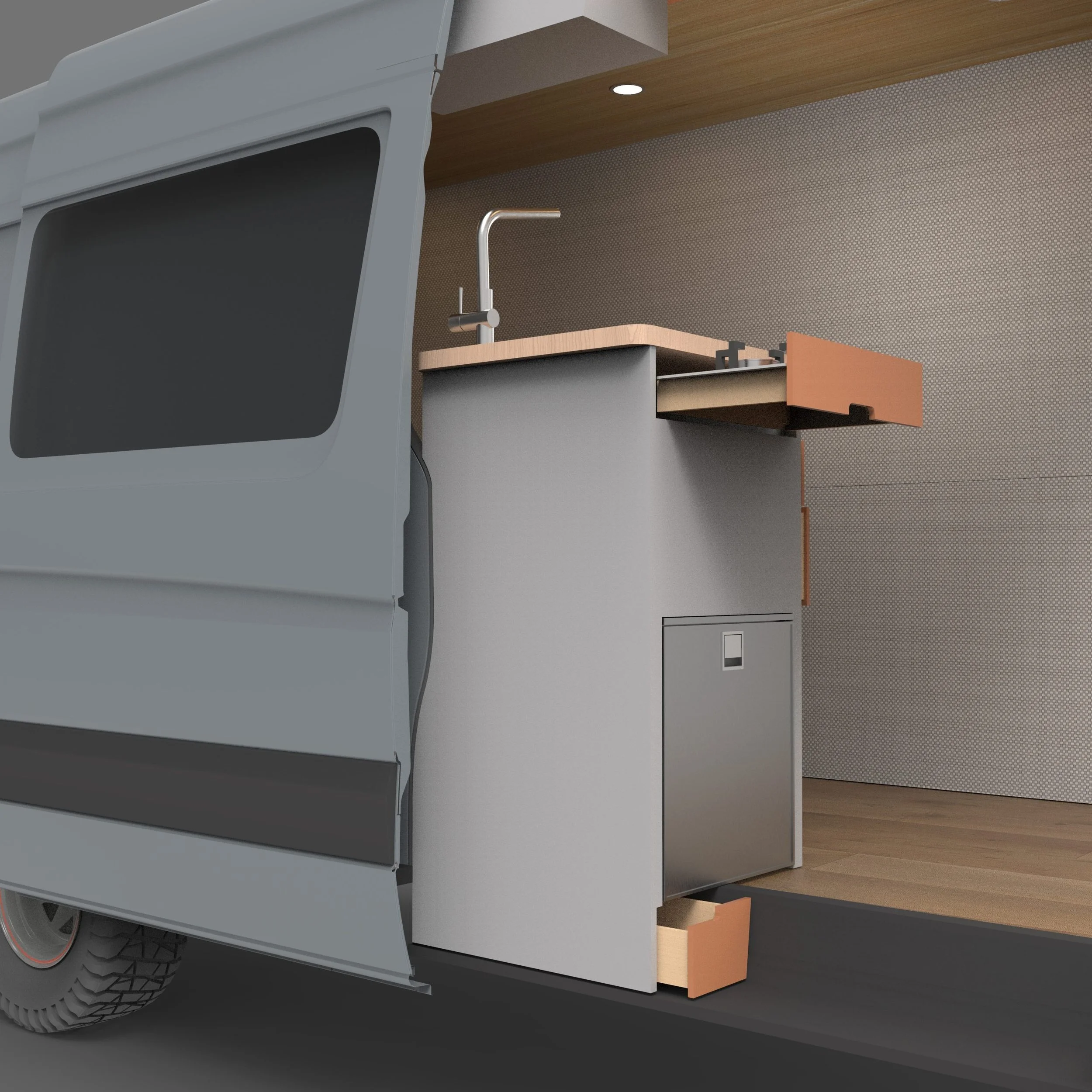
Before I arrived at Benchmark, all the cabinetry was built manually. Scribes were done on each van, and everything was done one off as things were custom and highly specific. I worked to streamline this by building each cabinet and parts in CAD, then having a “scribe library” for final adjustments to be made in the vehicle. This allowed for a seamless end product that took in manufacturing variance that occurred both in the factory and within our operations.