Mesa Overland
Composite body camper design development
Type : Interior camper component design, exterior metal components.
Method : Sheet Metal, CNC (bamboo plywood, composites)
Scale : 2 standardized models, 6 customized builds
Skills used: Fusion 360 - Asset development and management, parametric components and standards, sheet metal, toolpaths, drawings
Other Skills: Inventory tracking, leading client design meetings, marketing materials
Overview
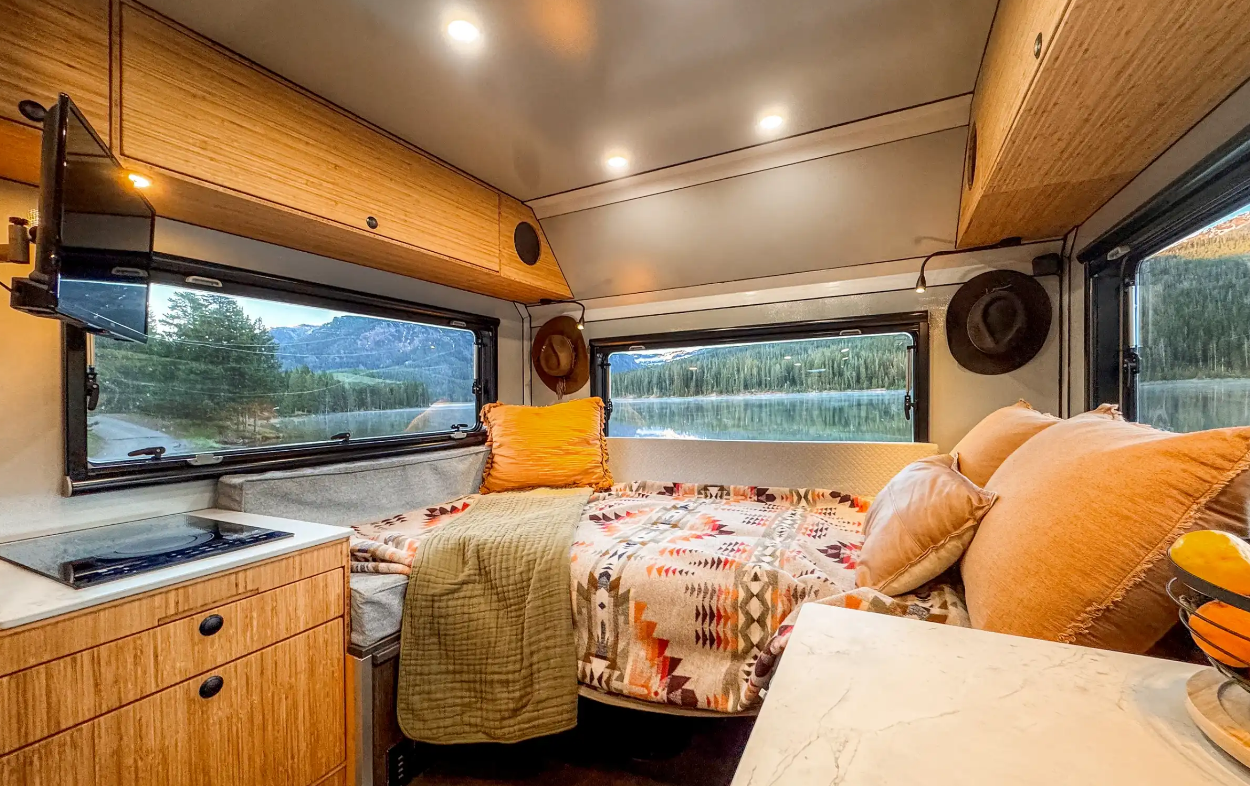
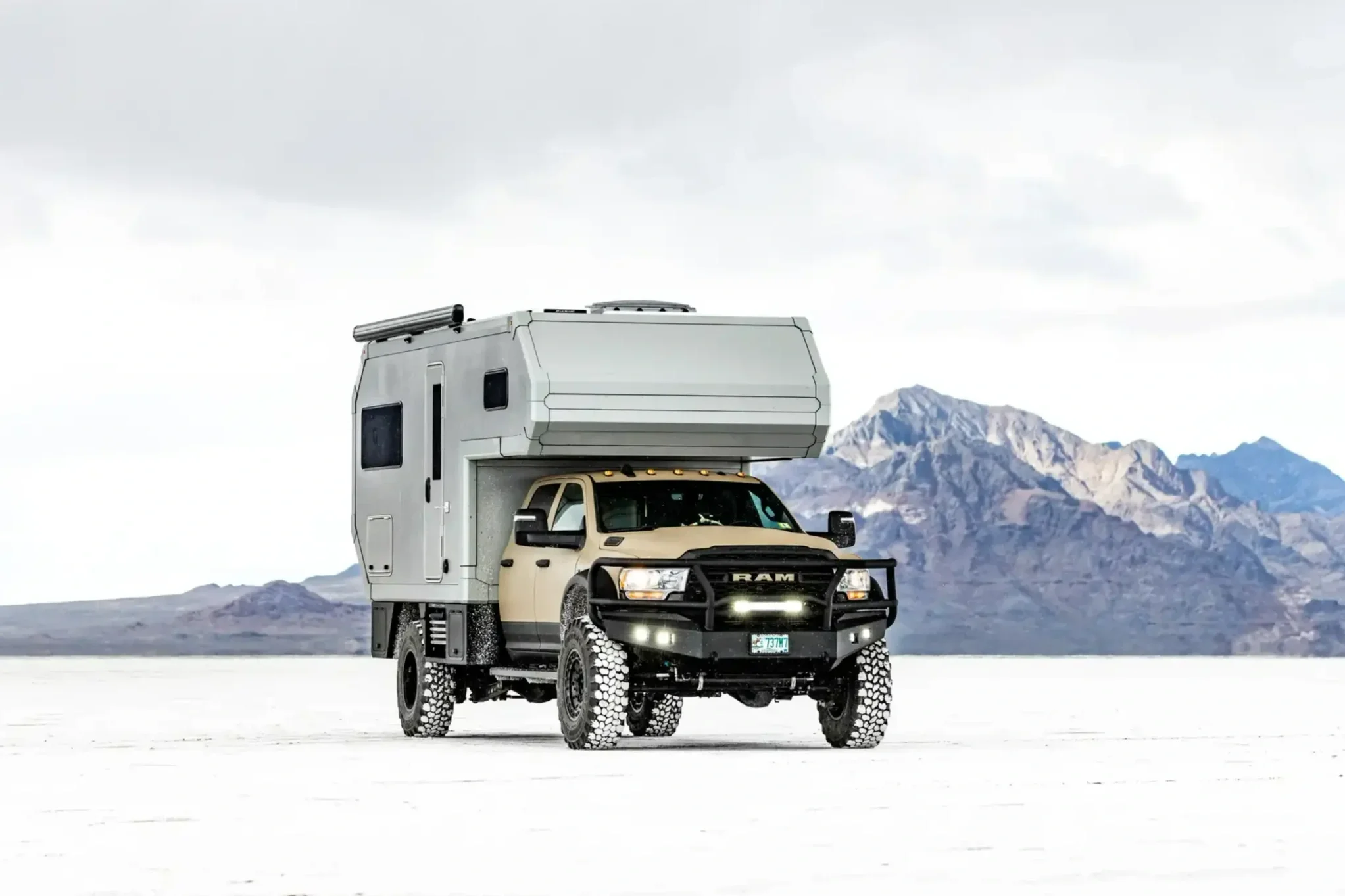
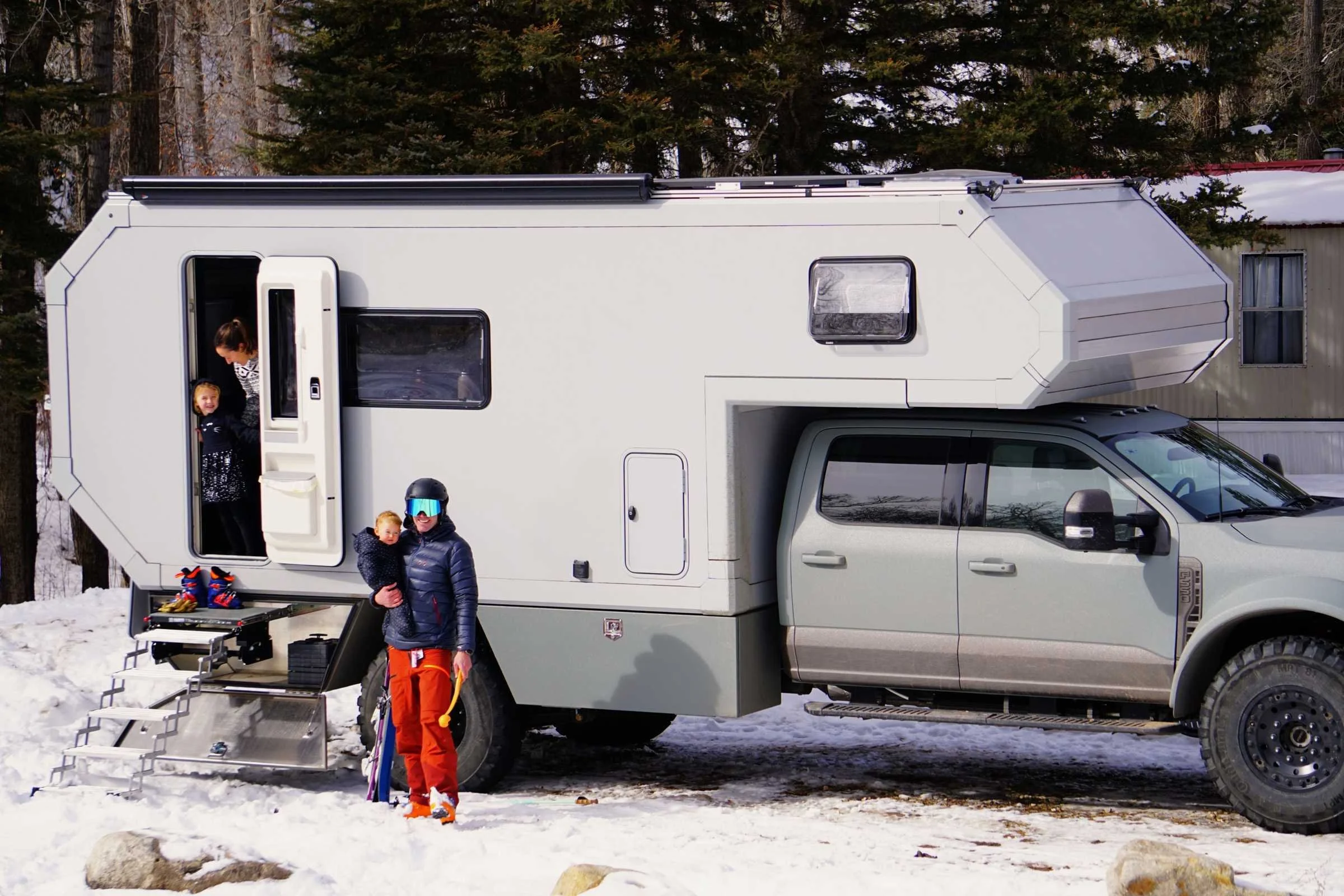
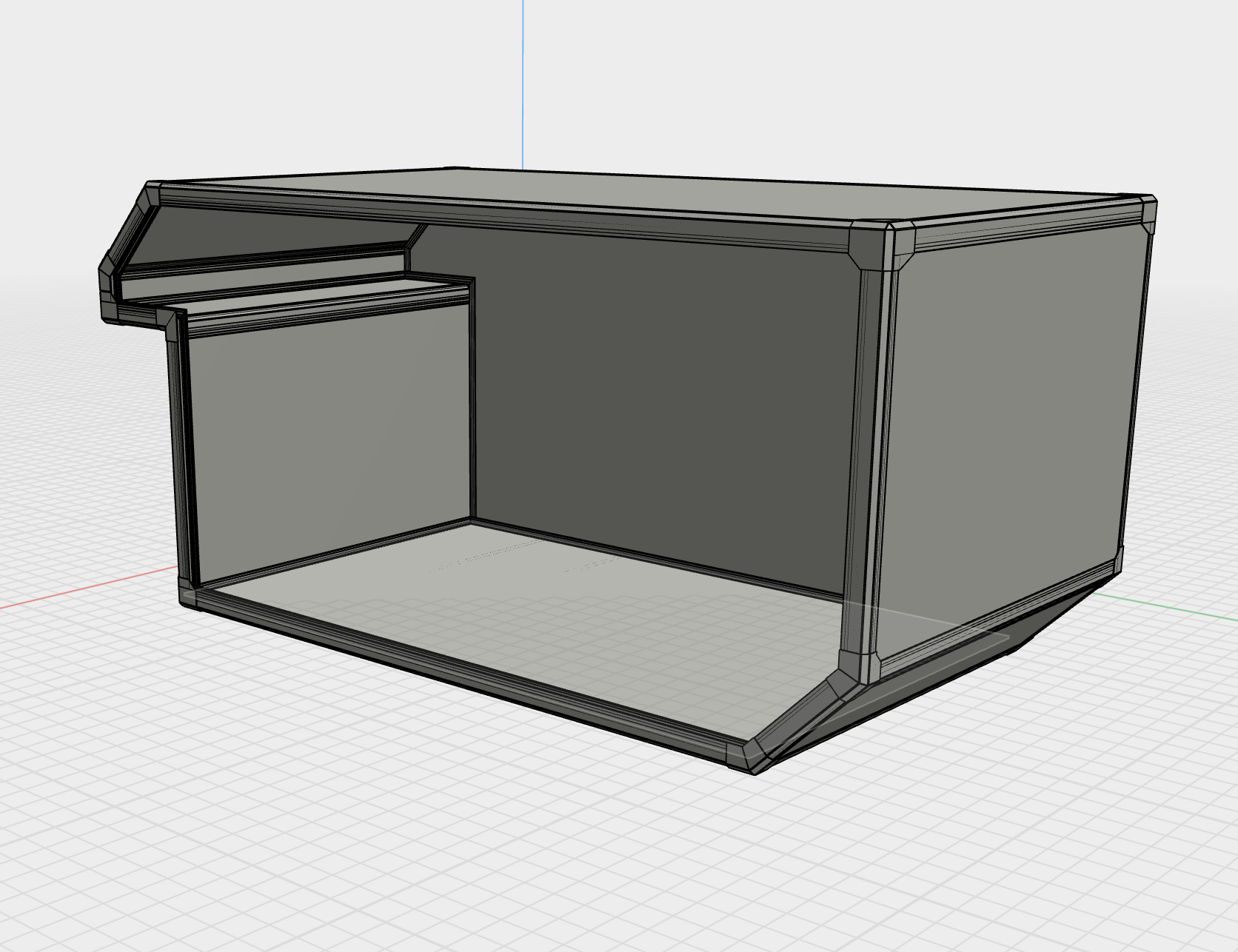
Mesa Overland is a small custom expedition vehicle builder in Delta, CO. They use a truck body and a composite panel shell to make a very awesome adventure rig. They create the composite shell by taking a lightweight and very durable composite panel and assemble it between specially designed aluminum extrusions to create a fully sealed shell. Kind of like if your grandpa’s truck camper was engineered for space launch instead of the local KOA.
The shell is half of it, they also take the truck and completely overhaul the frame and suspension so it’s designed to handle the dynamic load the camper. Additional features are added to the truck like lights, bumpers, storage boxes, ladders, gear mounts, alternator charging and anything else to make it the more capable for offroad adventure.
The problem I have been obsessed with solving is turning this shell into the most functional living situation it can possibly be. It’s cascading, there are so many different variables and problems that arise at every addition and subtraction you make. Customizations quickly add up, it can be like building an entire house every time you build a single camper. I was brought on because I have experience to solving this problem in the best possible way while simultaneously streamlining the manufacturing process to be as efficient as possible.
Previous methods
Before I was brought on, the design had been mostly in Shaper3D in one off components, then manually flattened out and CNC cut. This method works, but is very time consuming and doesn’t build up much that you can use in the future since components were not cleanly broken down and separated in a way that allows repetition. Being a small operation, the owner was originally doing all of this and absolutely drowning in the work load.
After understanding the problem, it was clear what I needed to do:
Immediately transition to Fusion 360. Create a library of parts and system to operate
Prepare renderings and drawings for clients to communicate build specifications and confirm details
Build a library of wood, metal and composite component models that are more adjustable to be functionally used across multiple builds
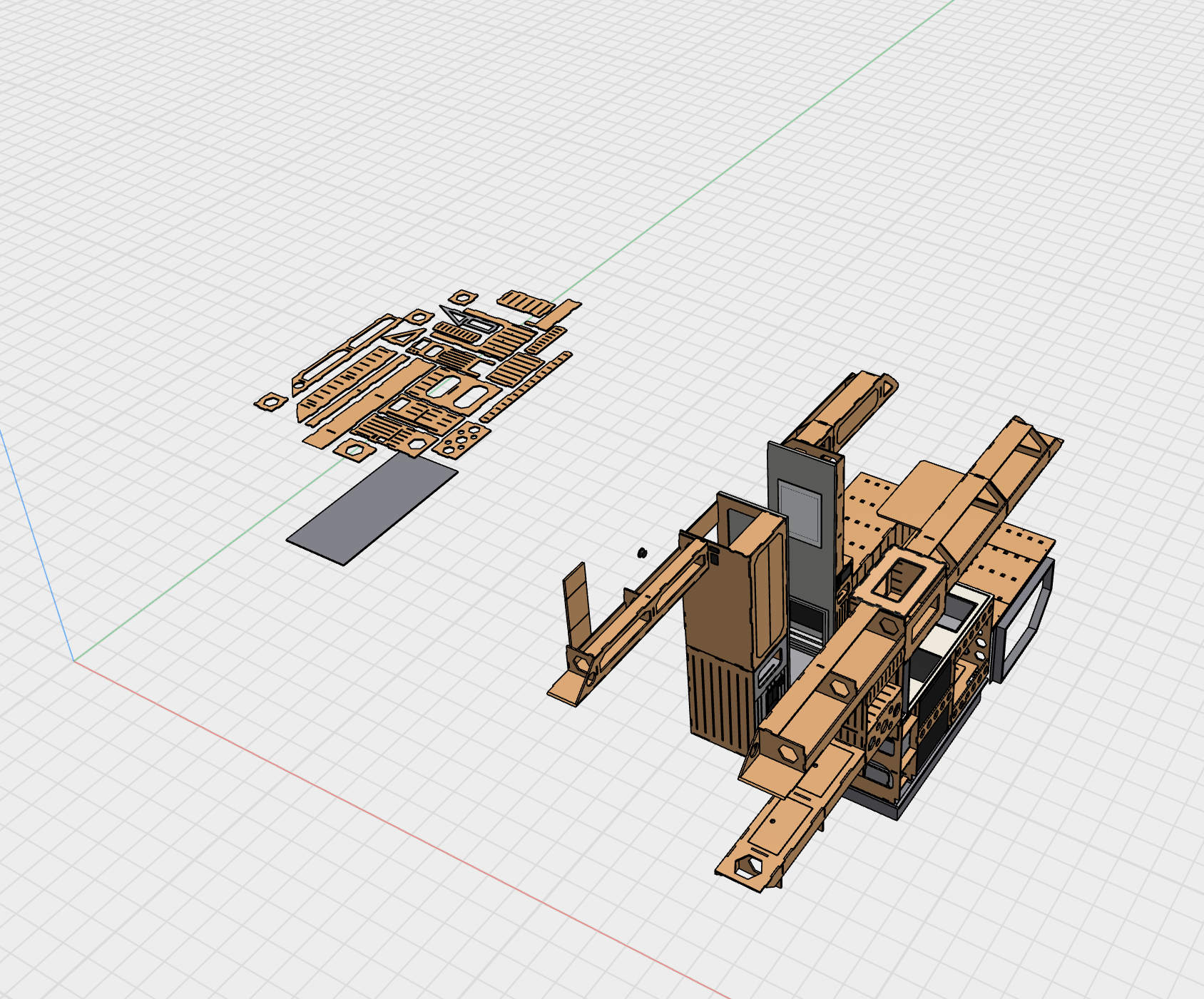
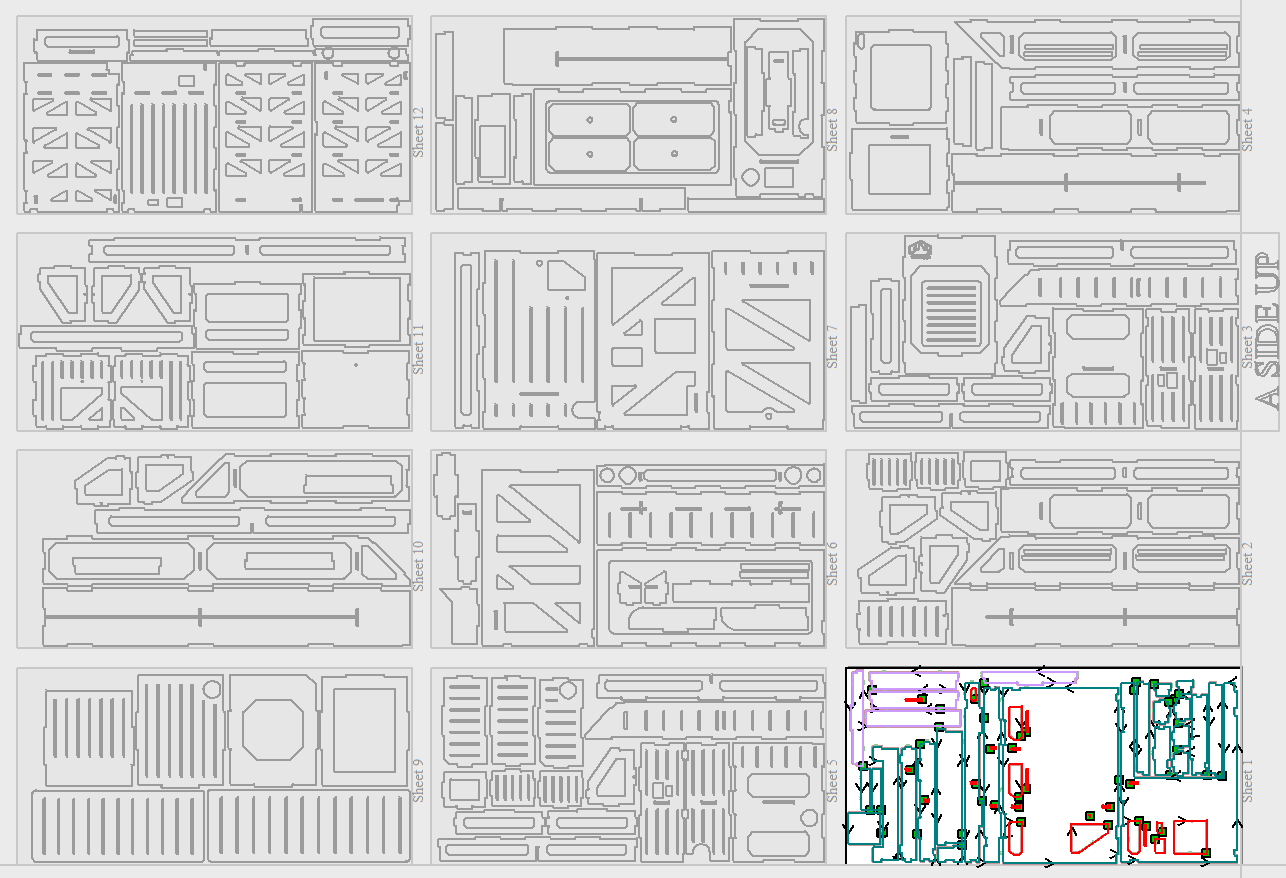
Create a system for flattening wooden components into 48” × 96” bamboo sheets production files for CNC cutting.
Process CNC toolpaths and cut files for CNC
Create sheet metal DXF files and detailed drawings for assembly by outside vendors
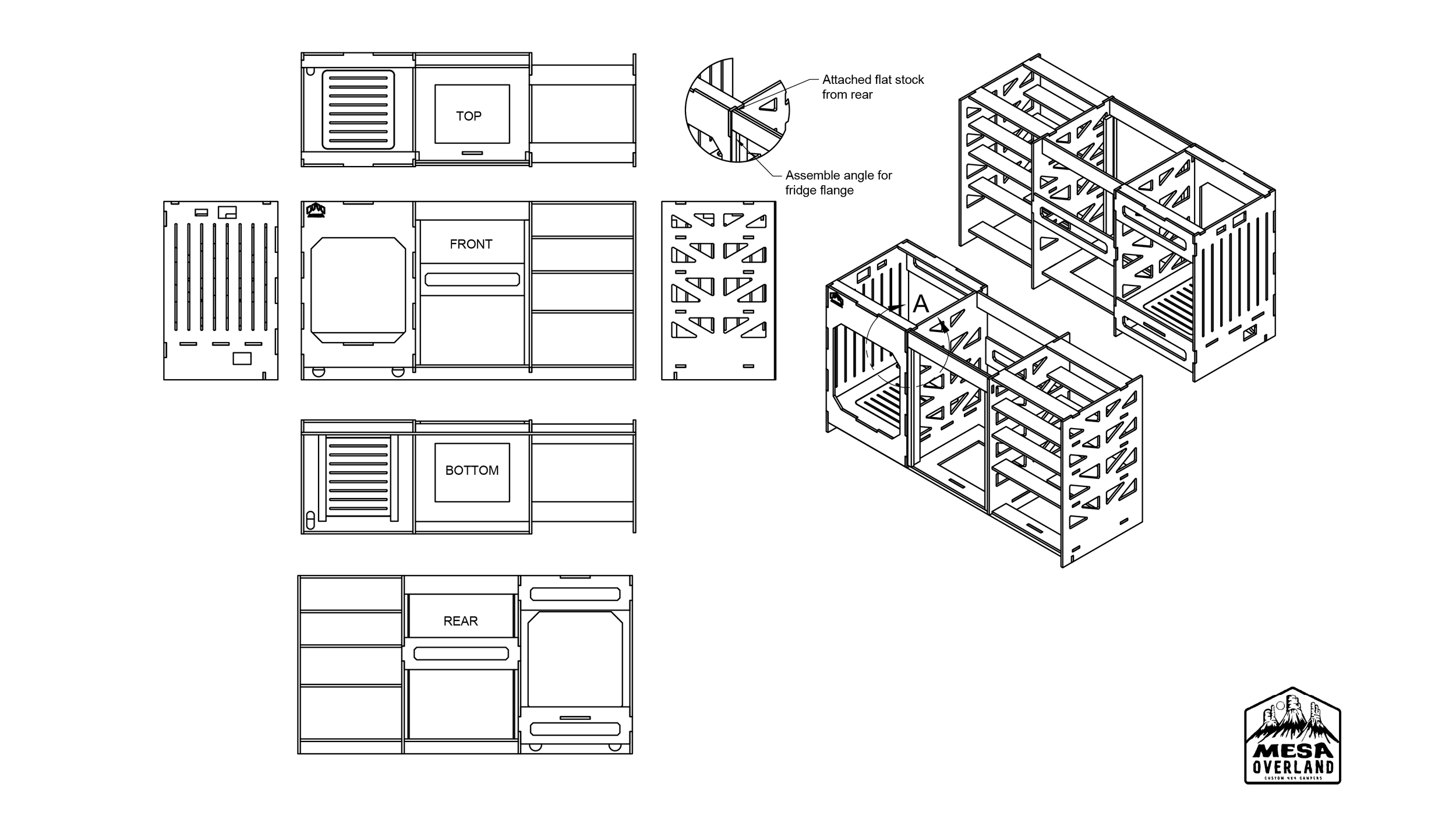
Manage assembly files and build details for the shop floor, 3D model access for detailed viewing in the building process
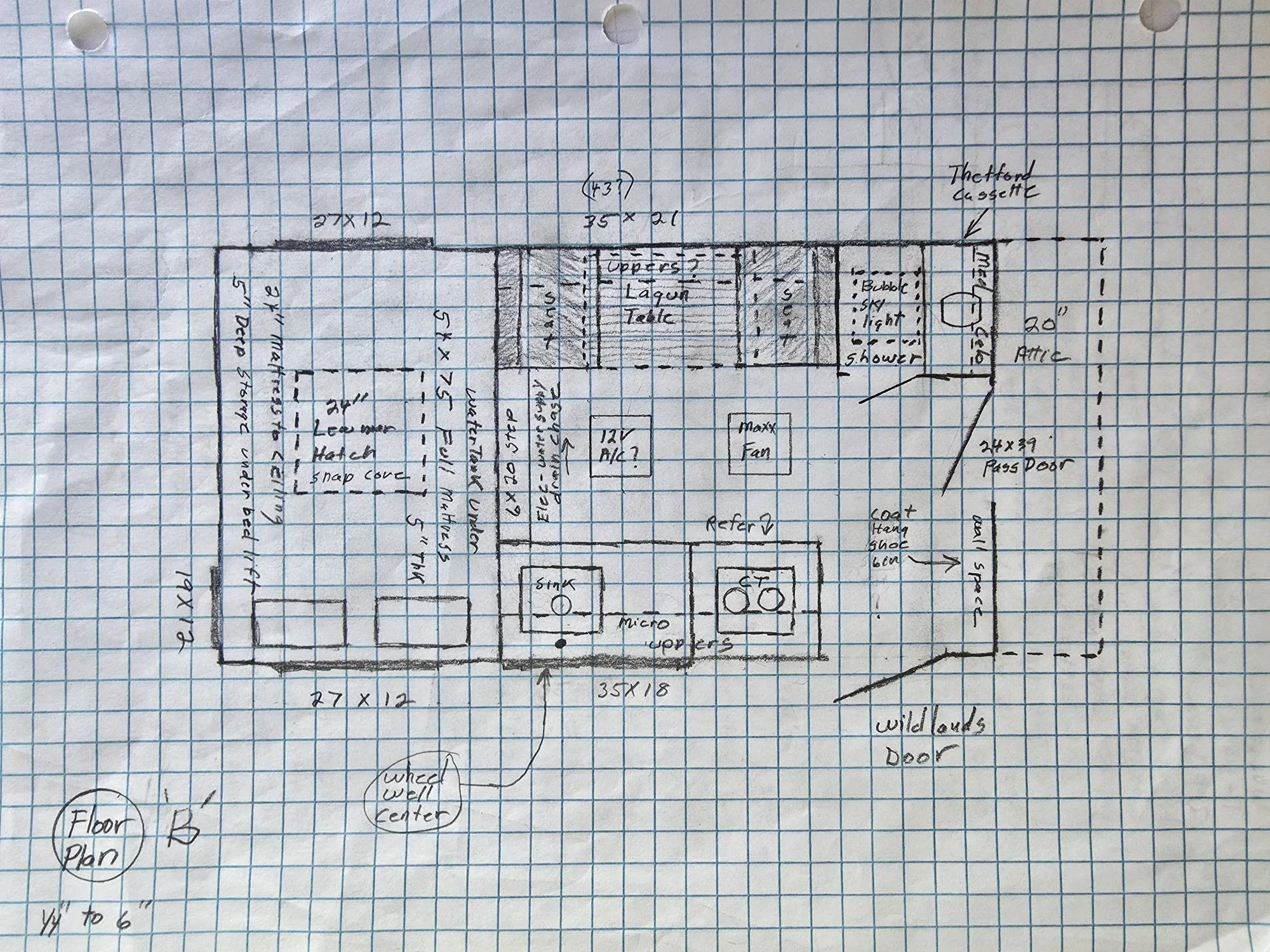
Main functions
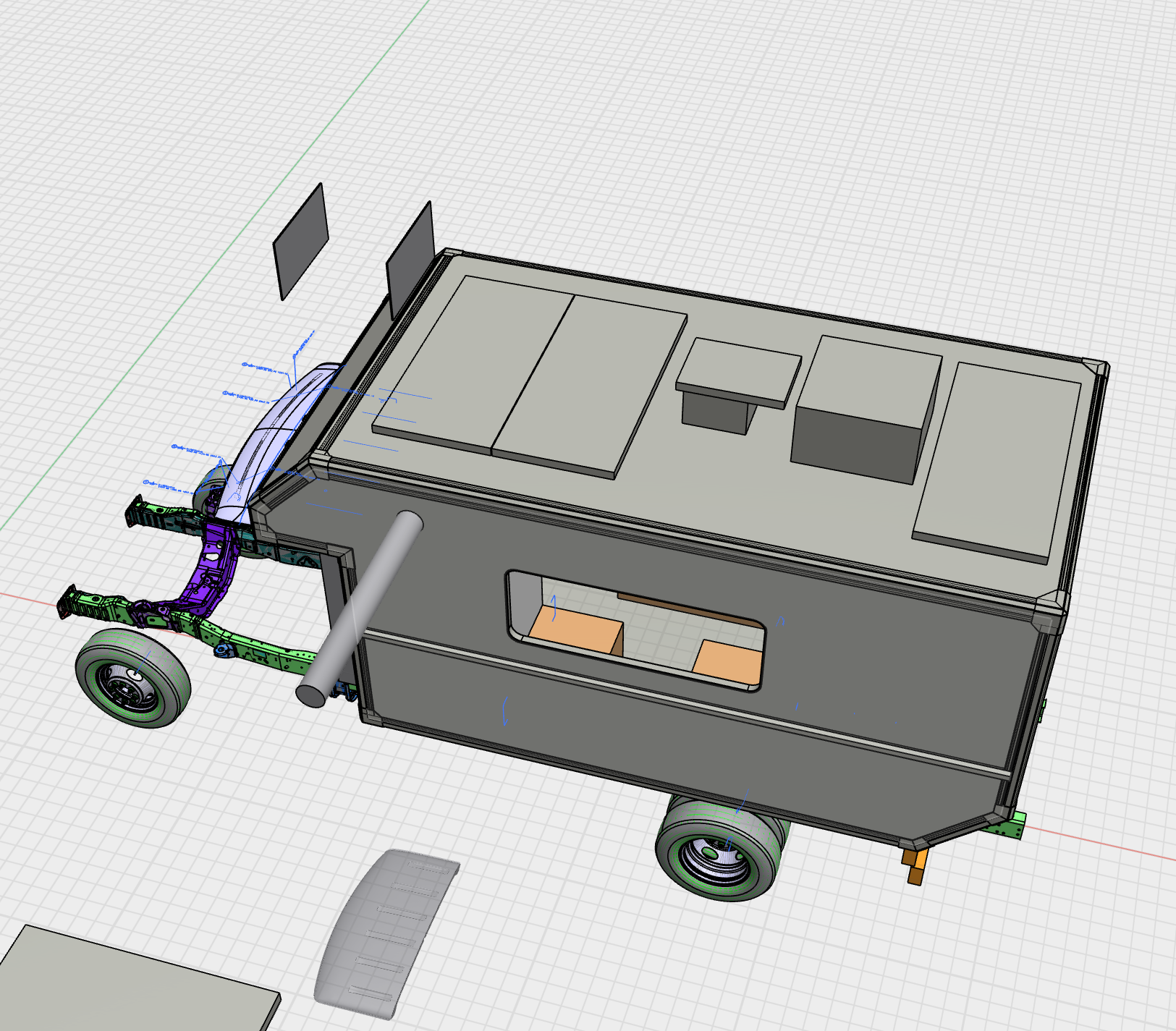
I was able to own this new role at Mesa and helped guide the development of their CAD system. A slim team meant I had many hats to wear, some days it was leading design discussions with the client walking through the drawings and renderings I created, other days I was programming toolpaths and remotely working with the shop floor. Here’s some of what I did:

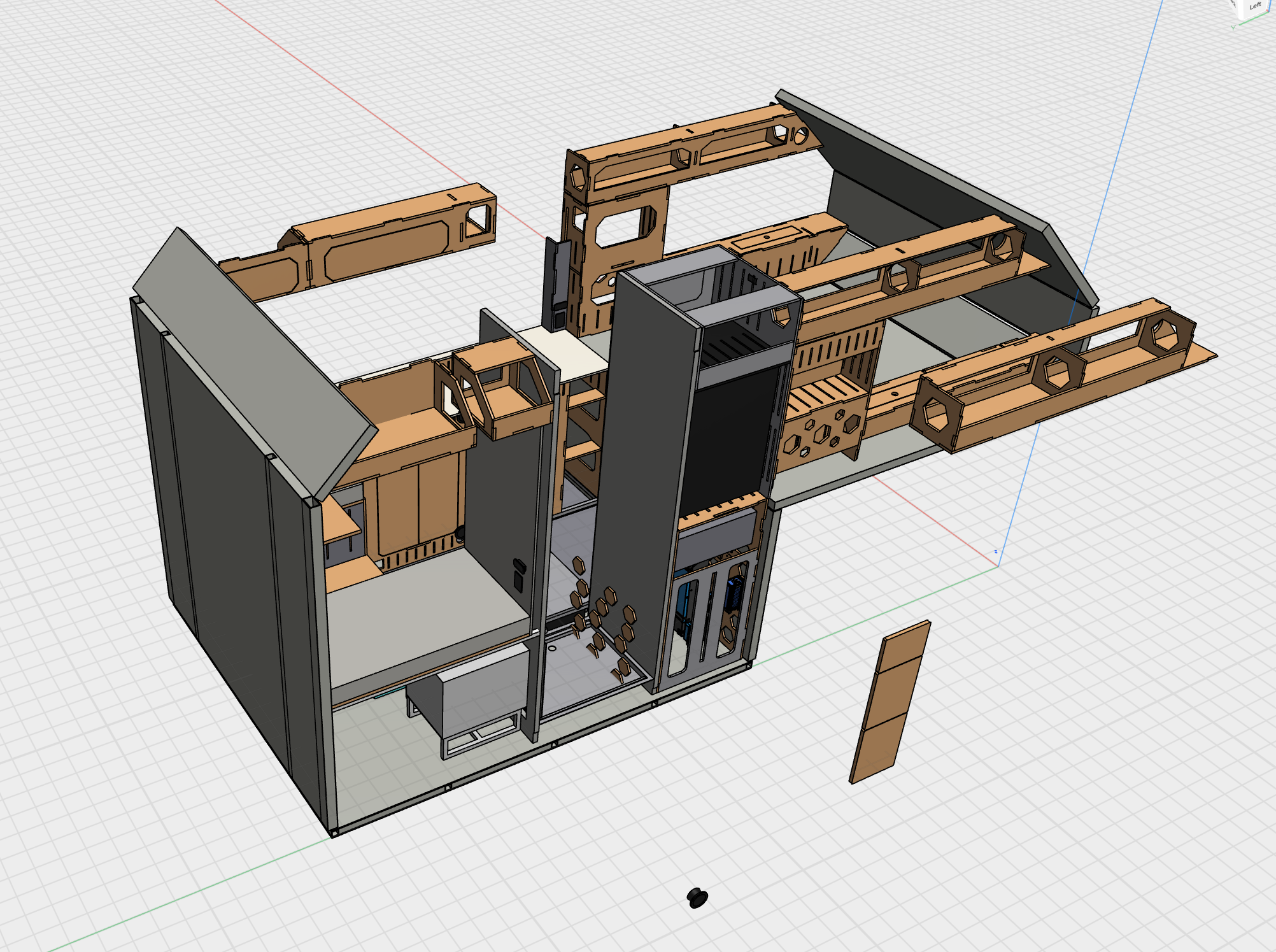
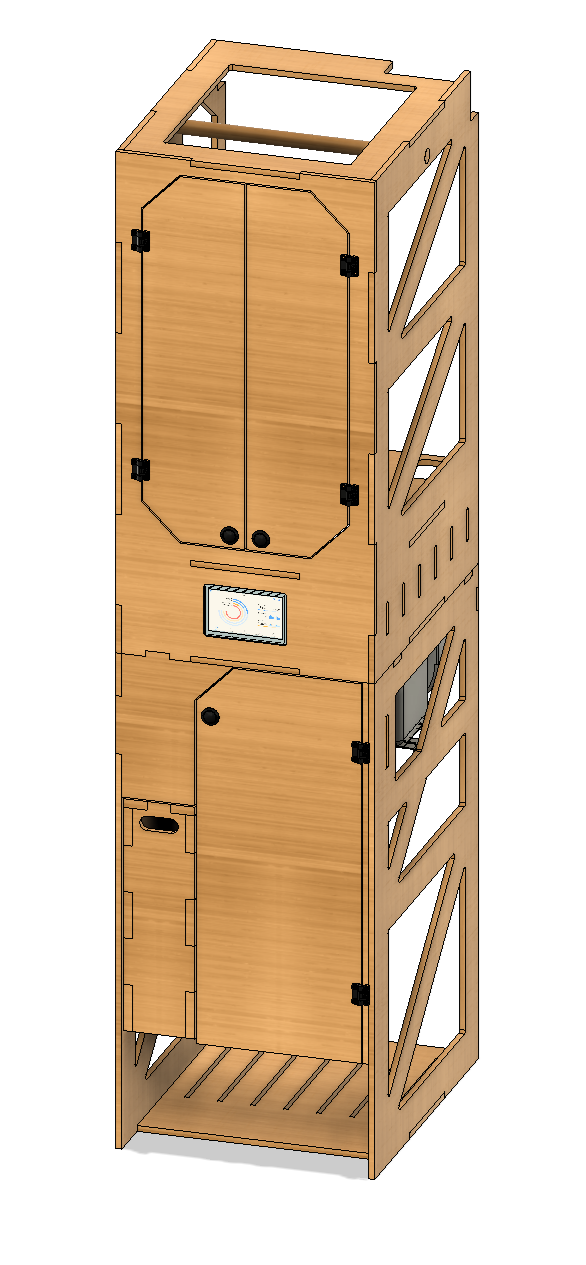
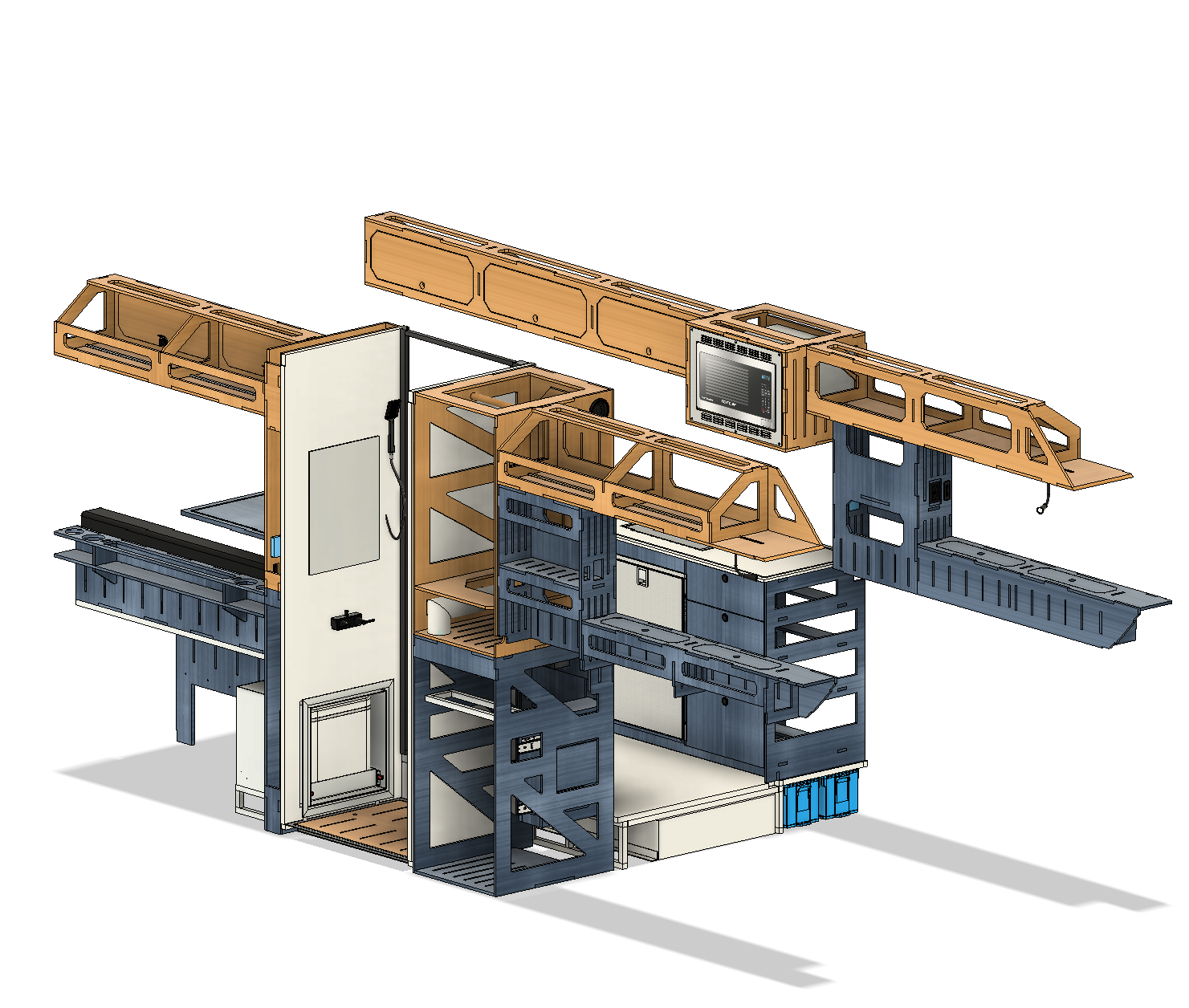
Design CNC components
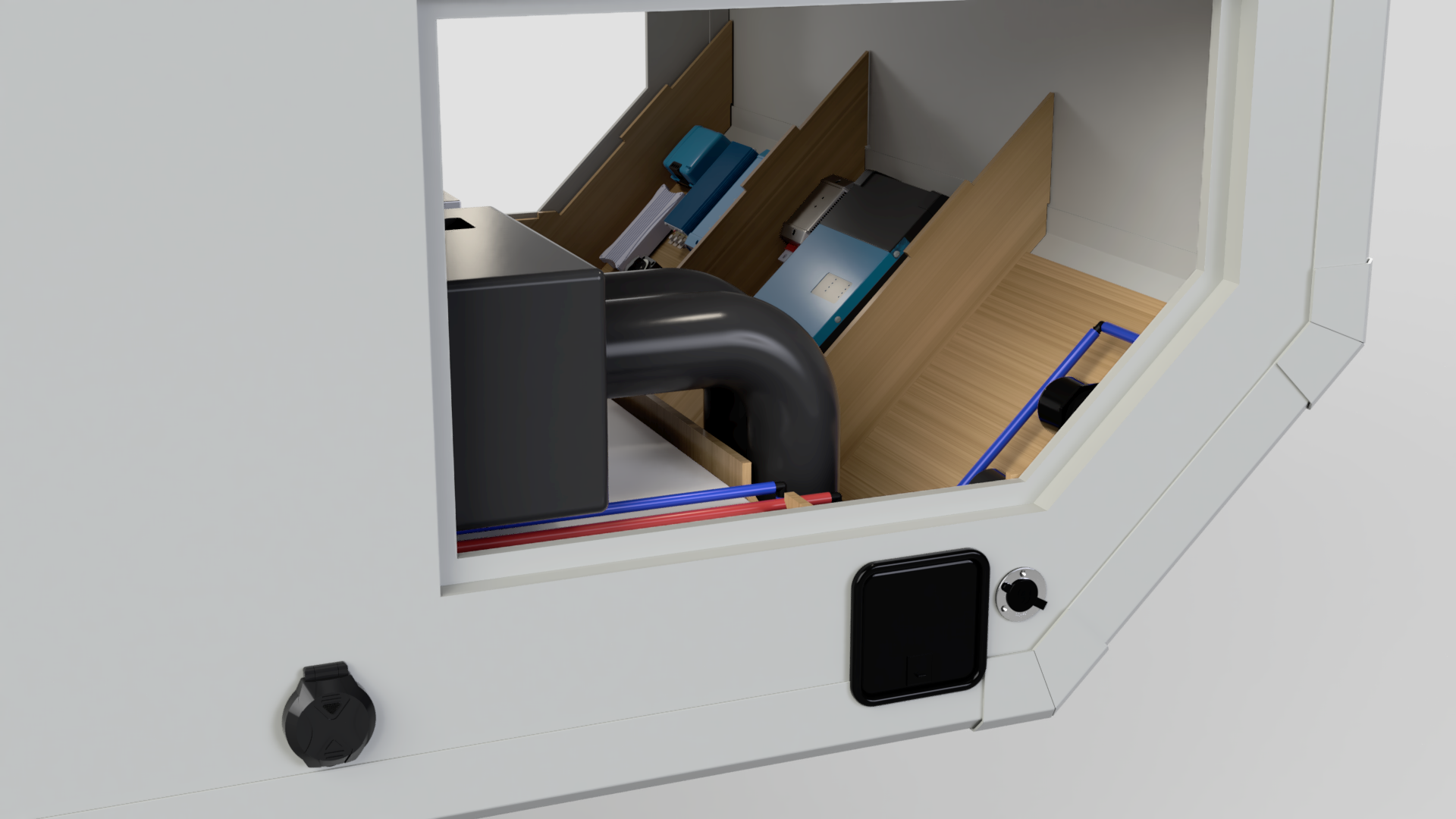
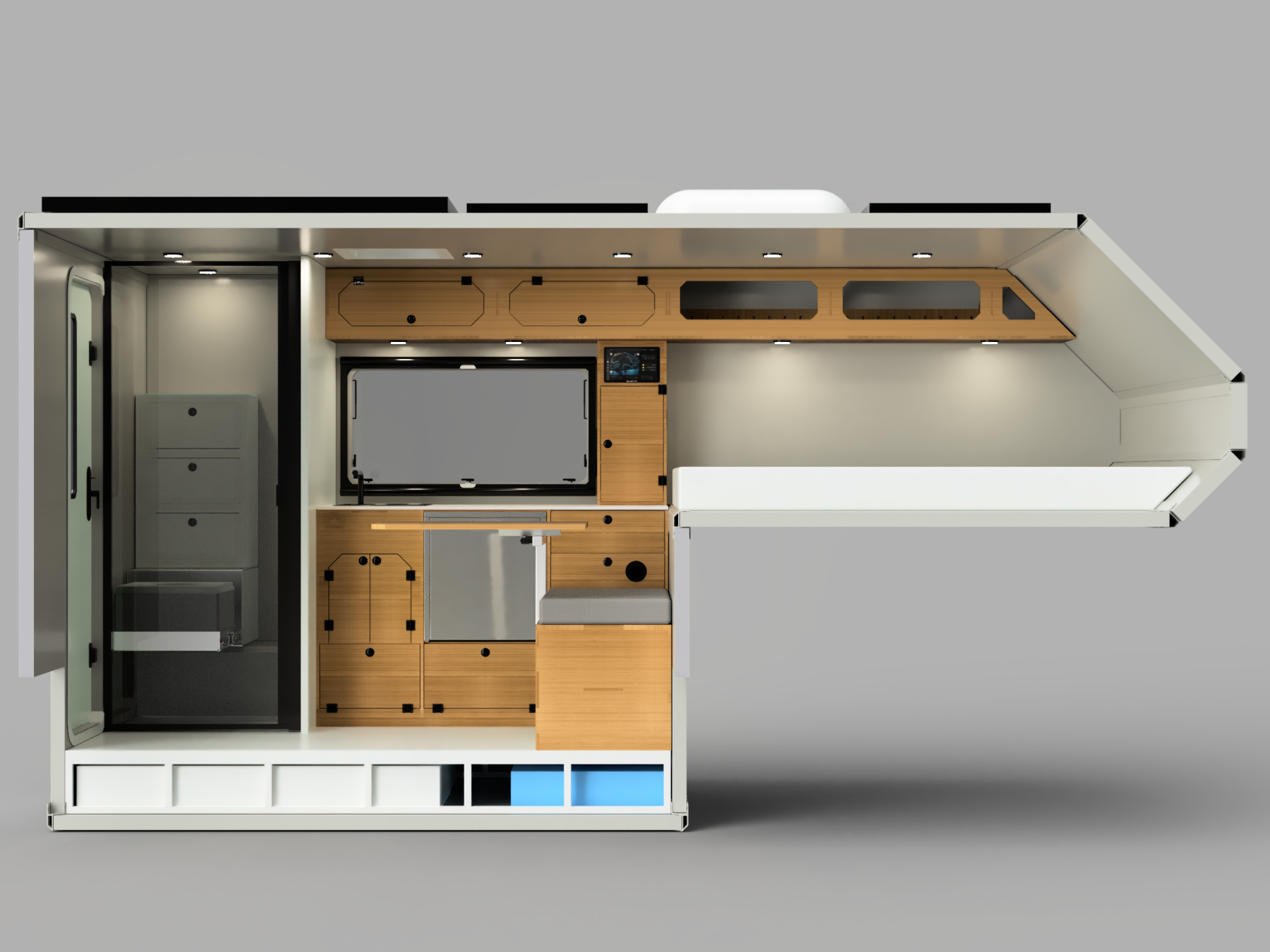
Galleys, benches, closets, upper cabinetry that were specific to each build and could offer variations for the client. Around 10 different component made up each build, all unique to their own model, floor plan and build.
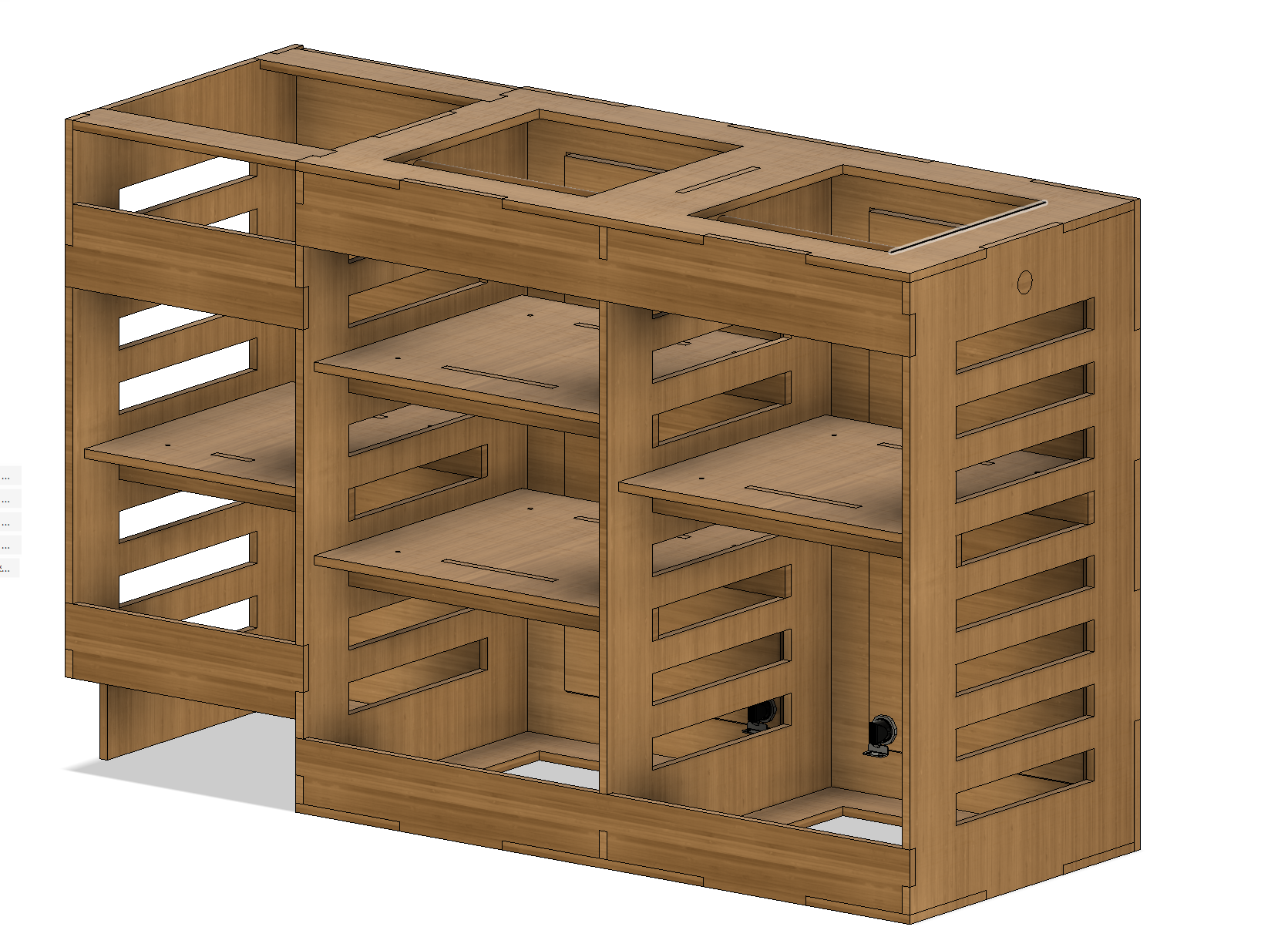
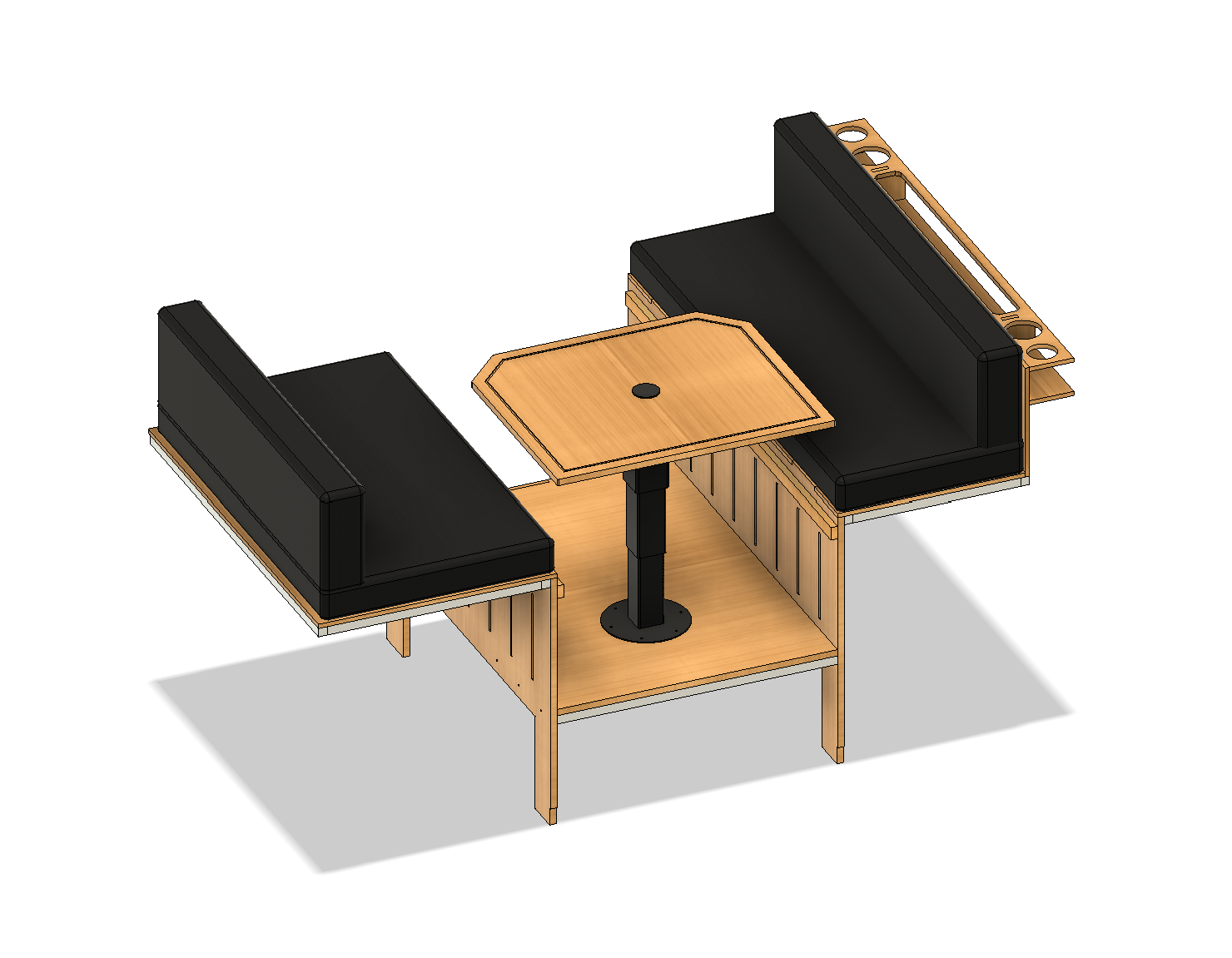
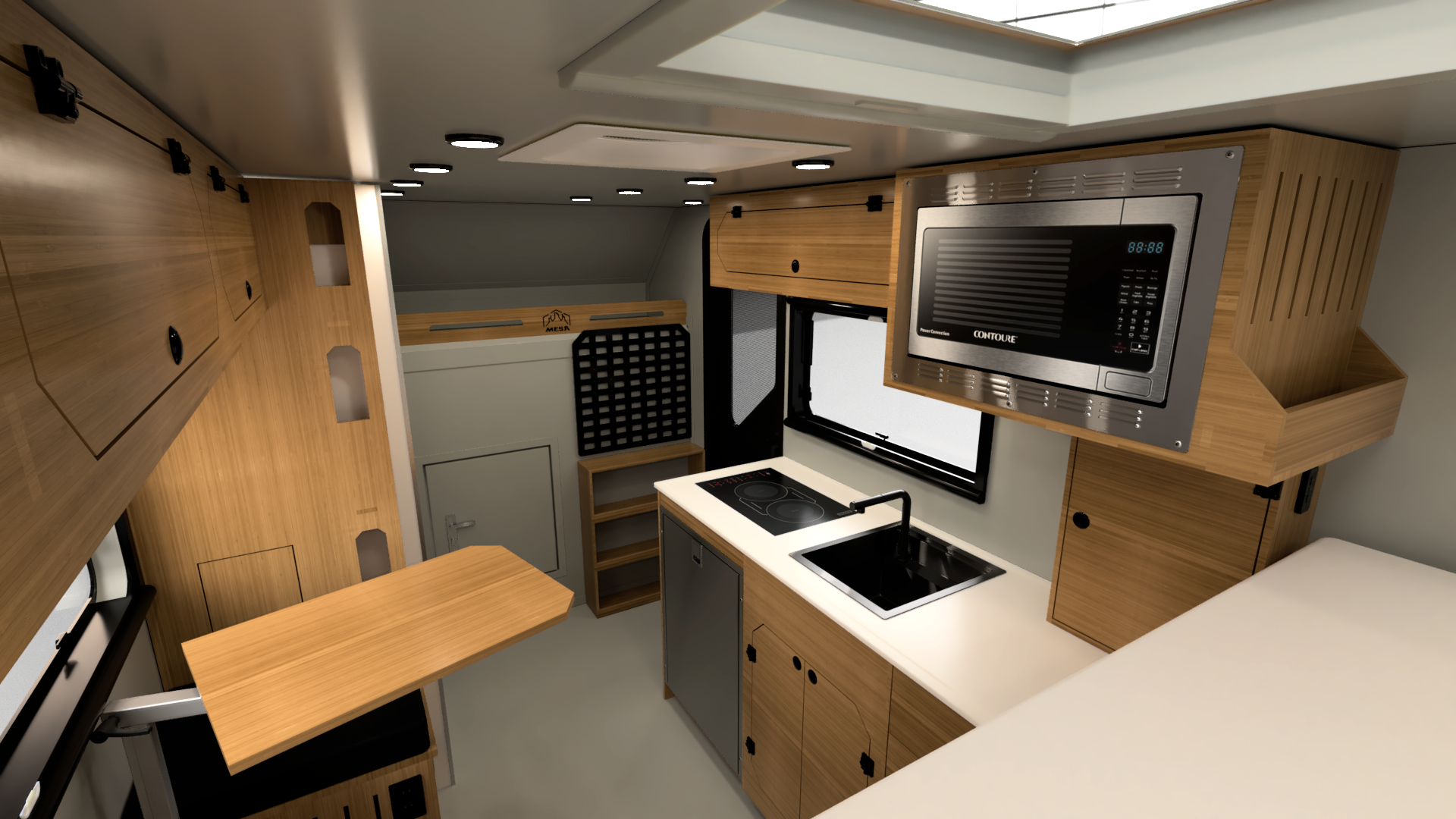
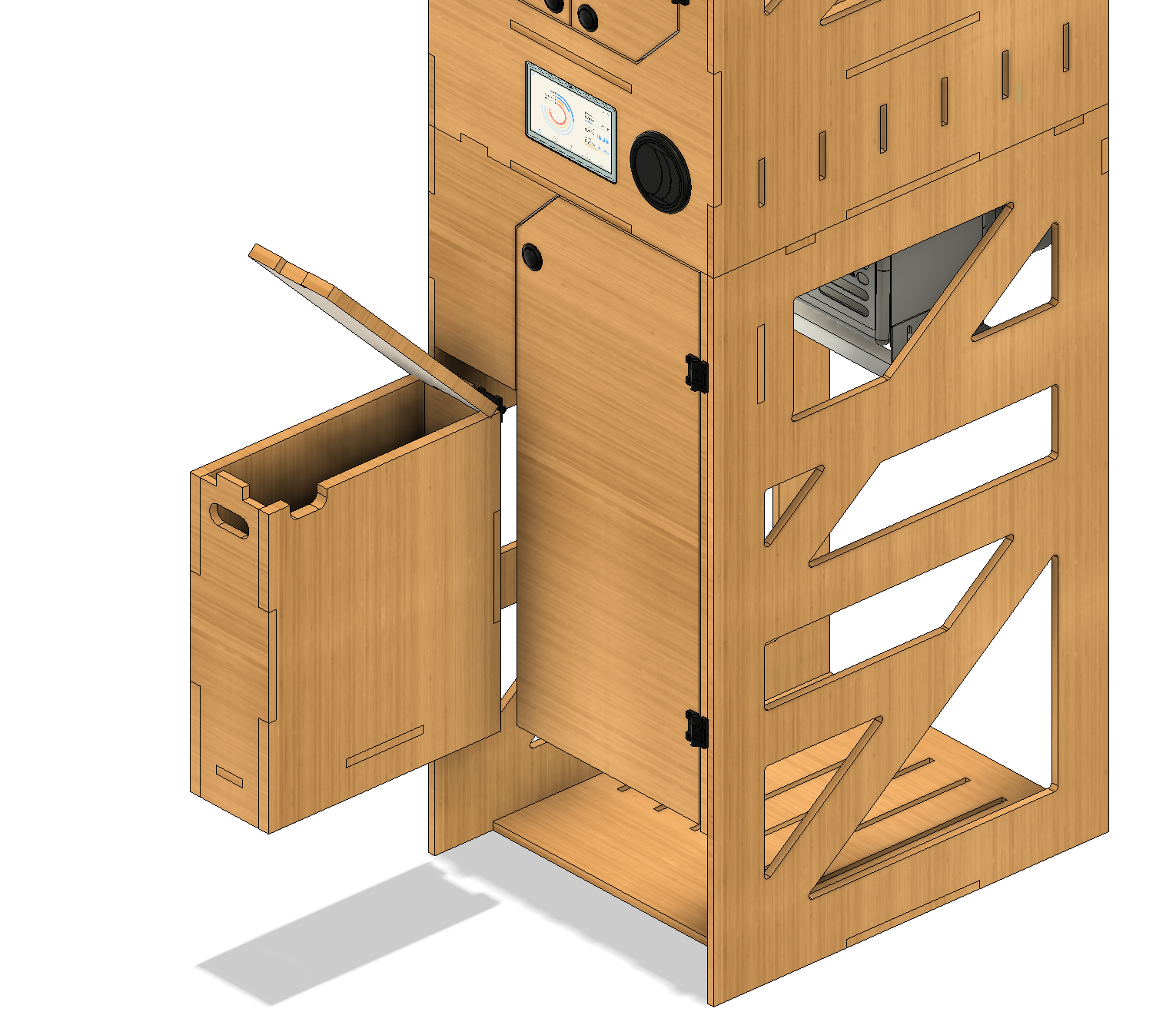

Rendering and drawings
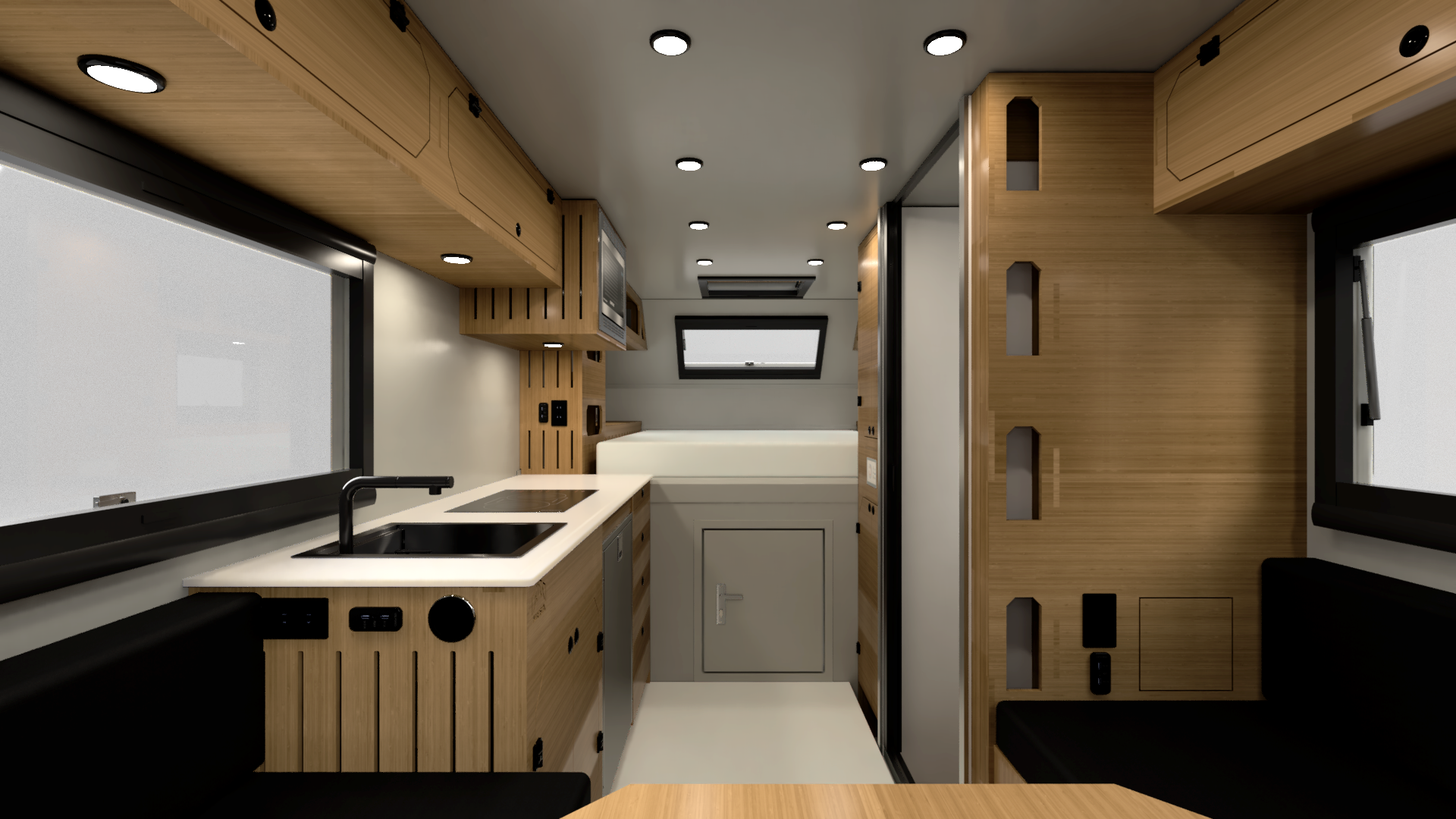
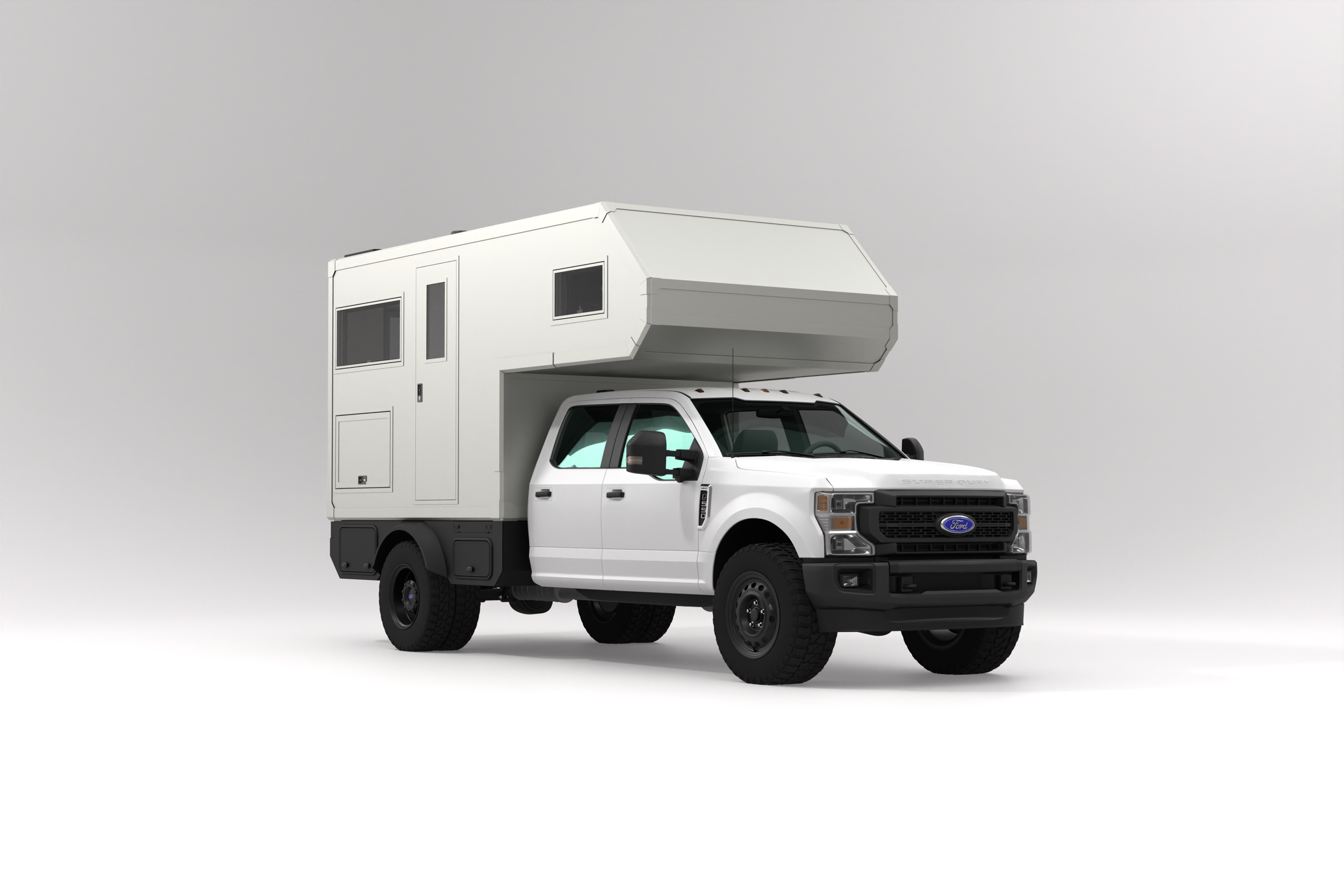
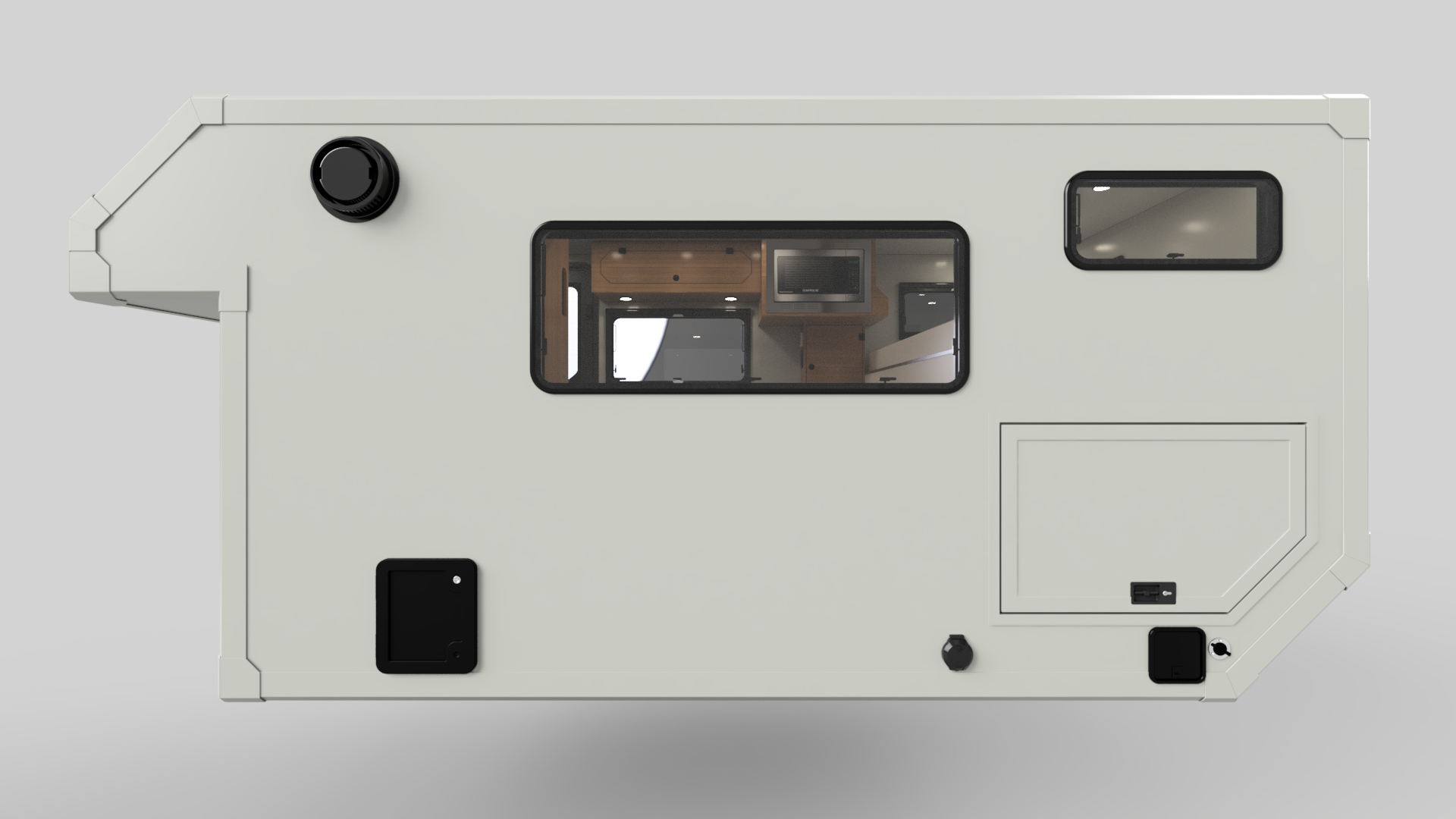
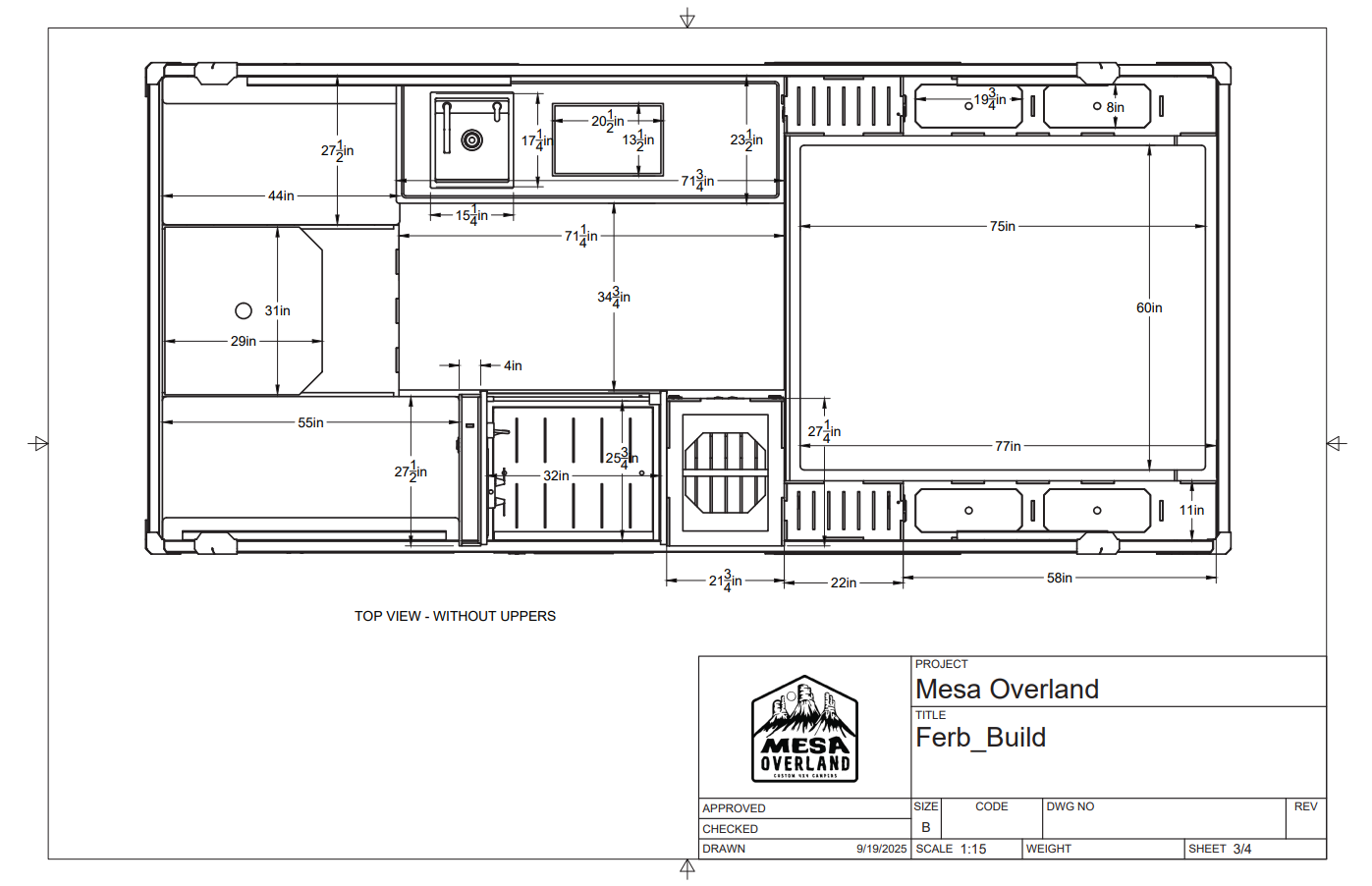
Client facing renderings and drawings to communicate and confirm build details. If you would like to see a sample deliverable PDF, click here.

Create library of existing parts
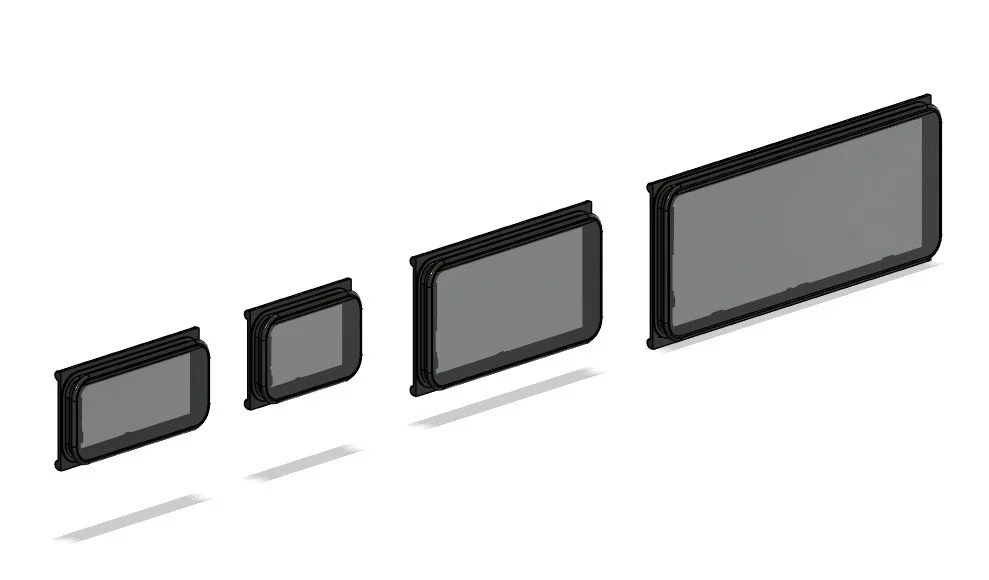
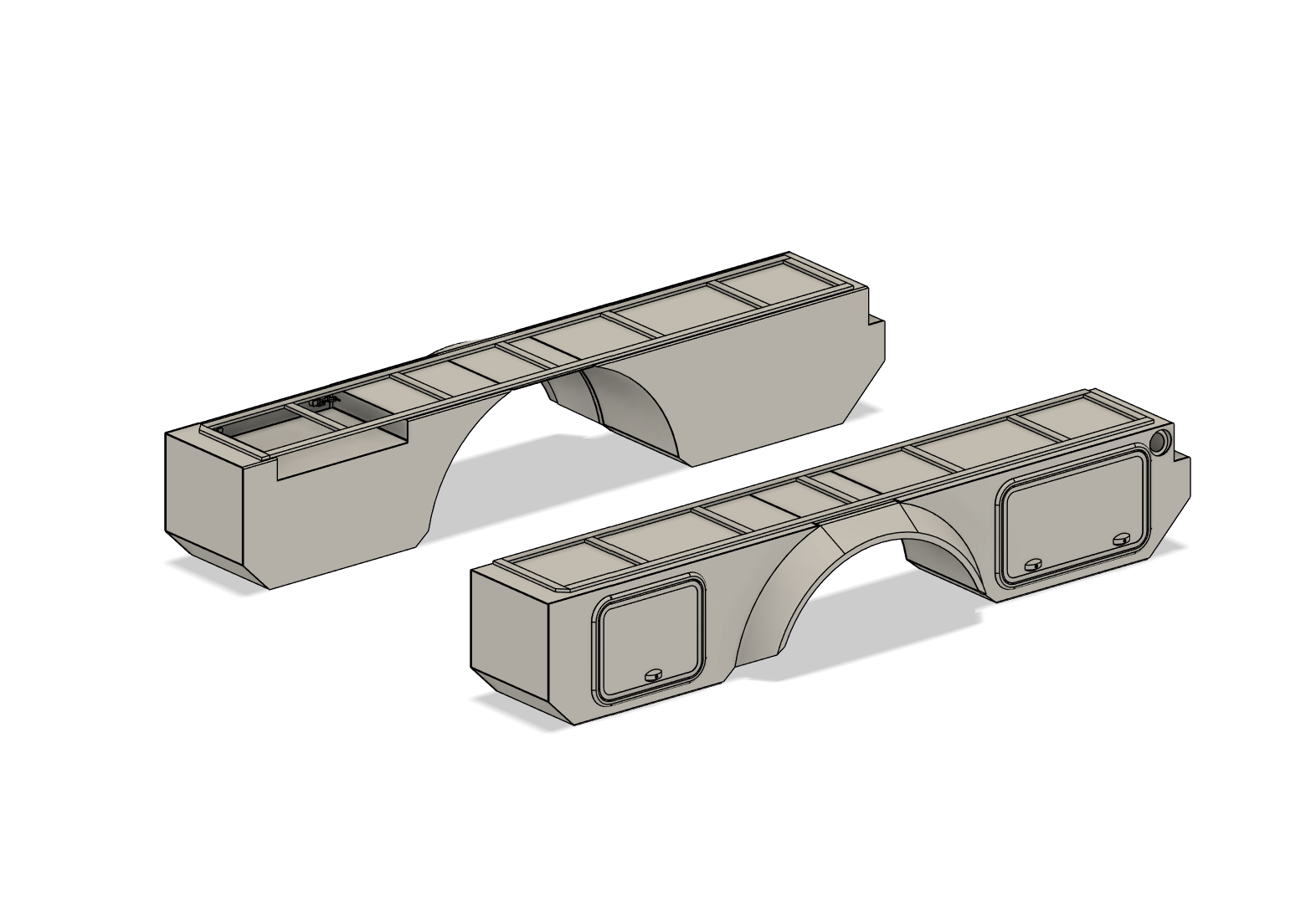
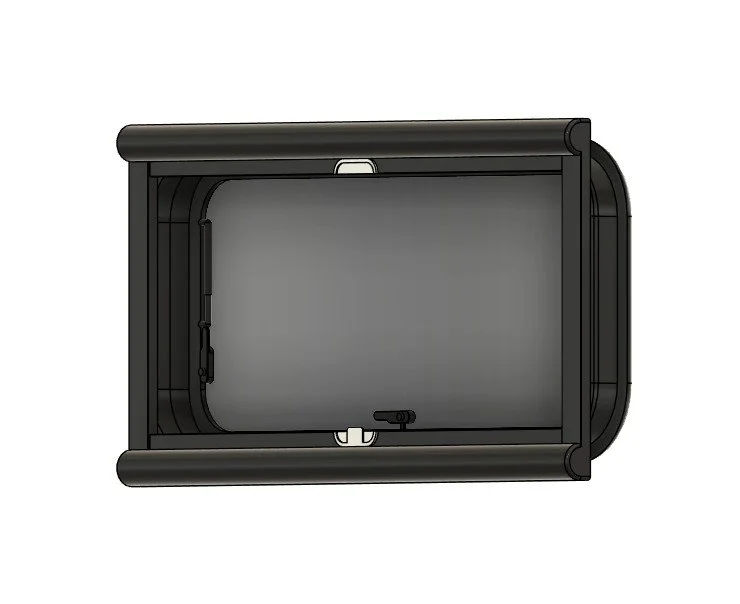
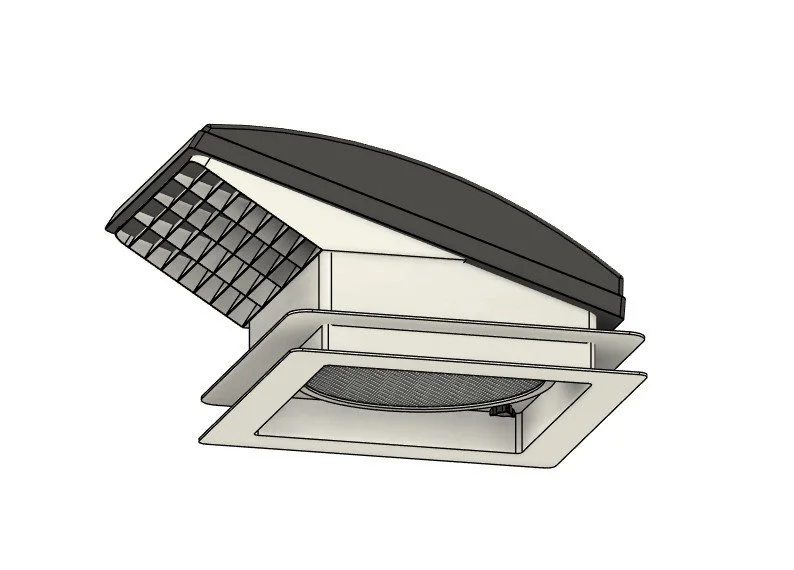
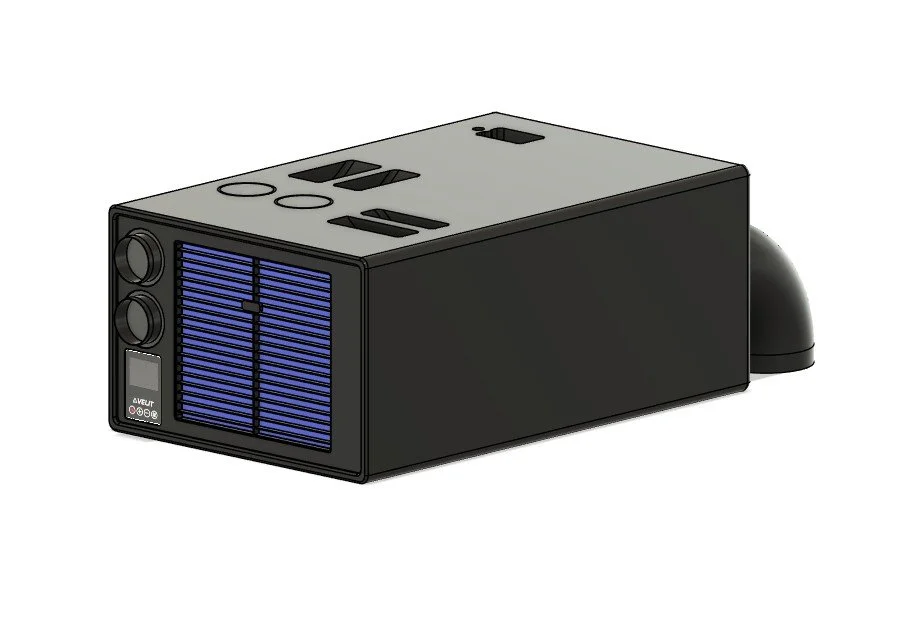
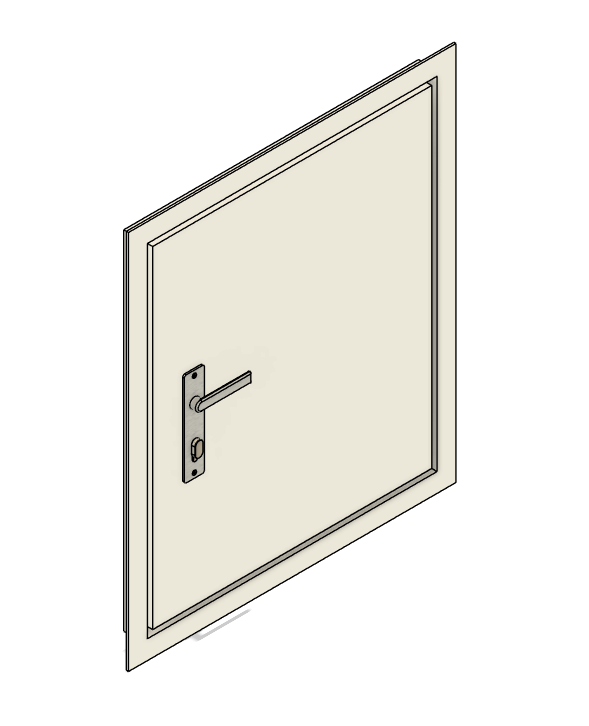
Create designs of windows, fridges, sinks, faucets, and other components that exist in the marketplace, for manufacturing to accurate dimensions and rendering. 50+ parts were reverse engineered to help support our builds.
Sheet Metal Components
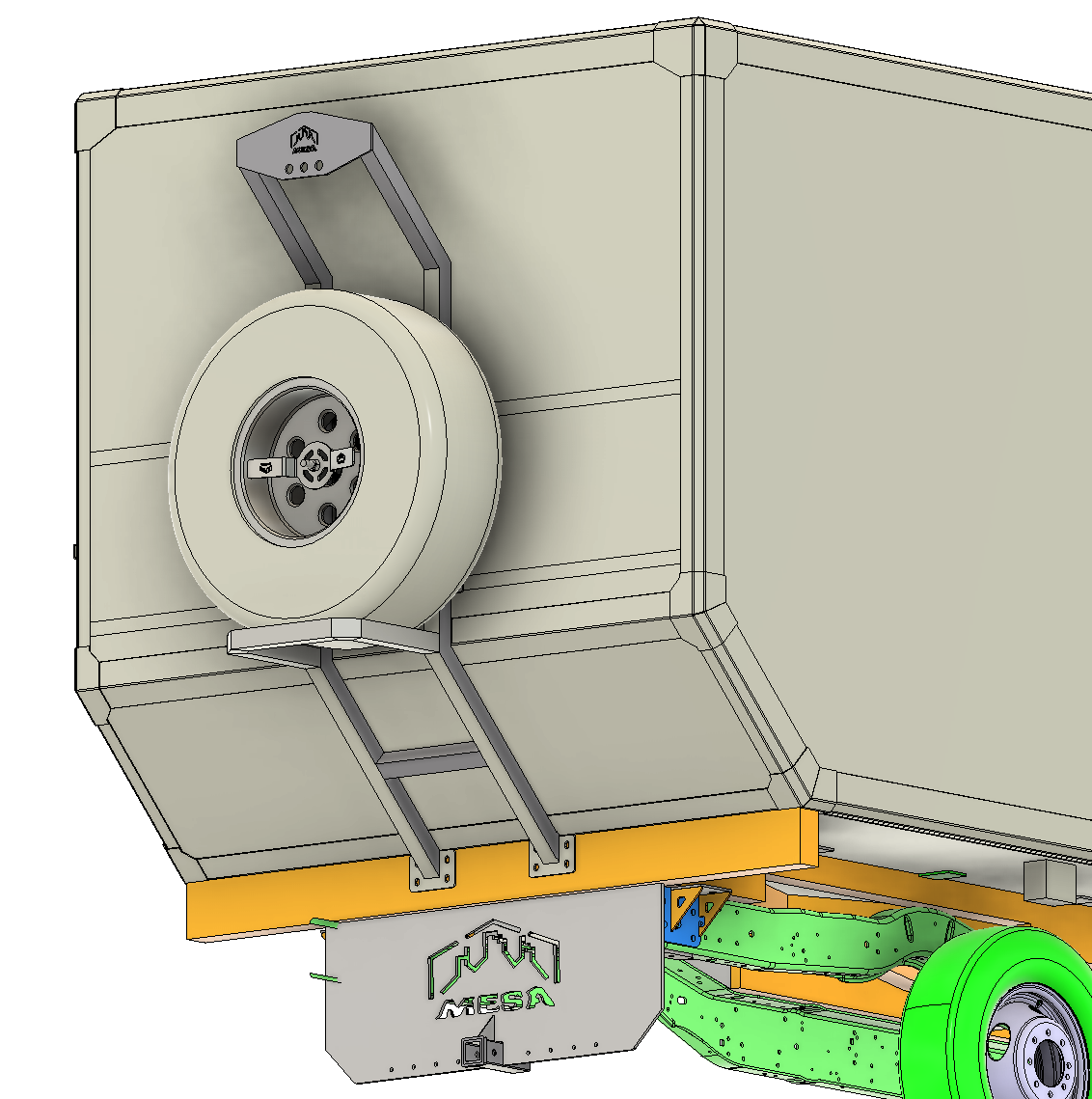
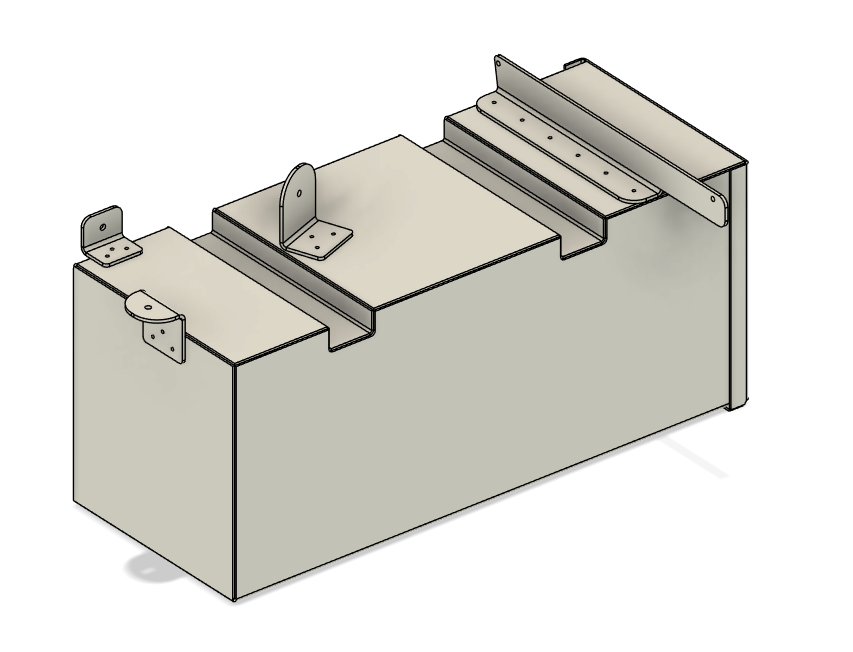
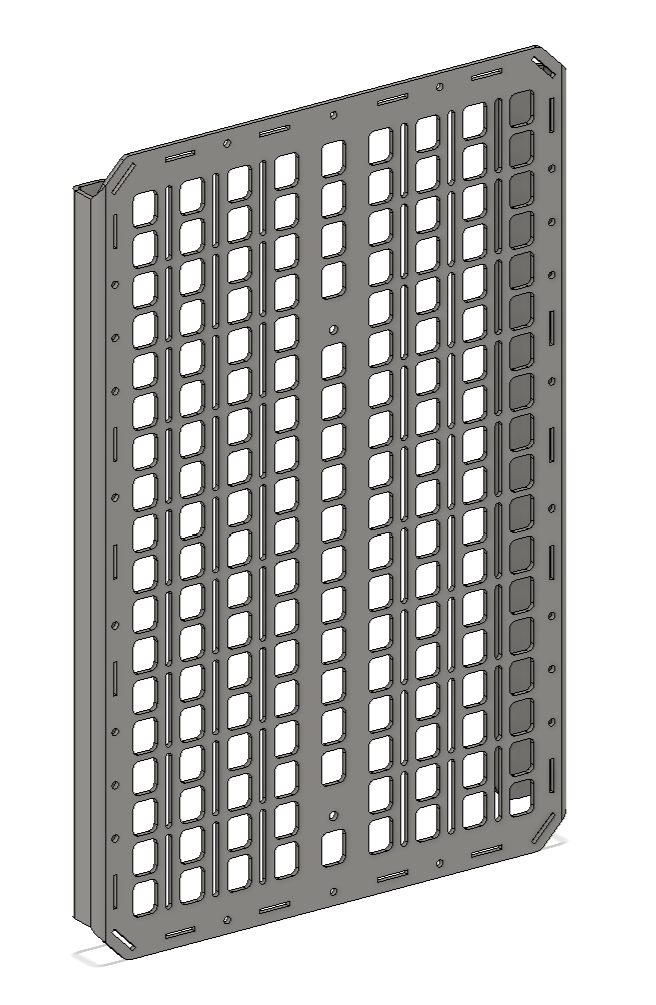
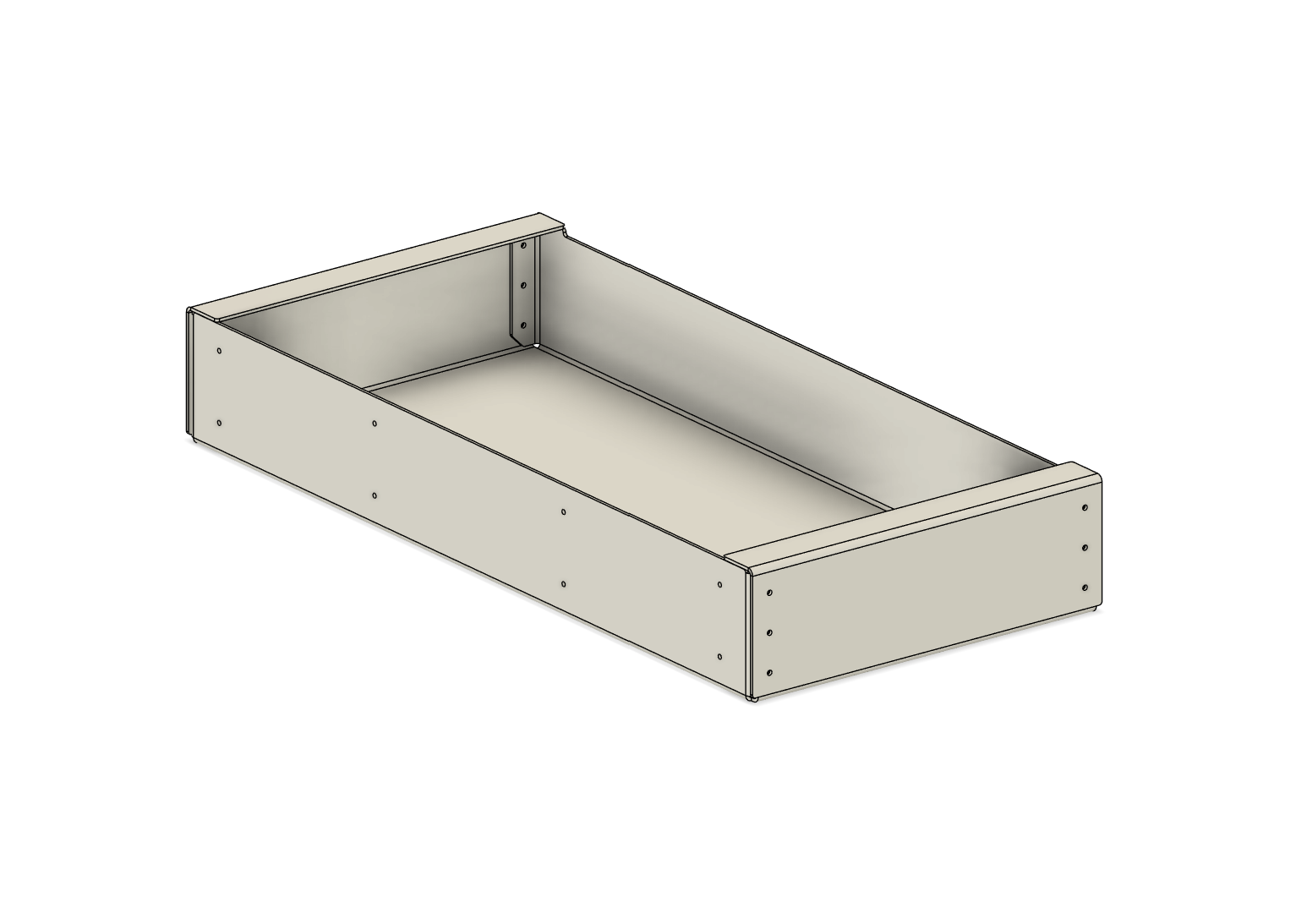
External components (tire carriers, mole panels, storage boxes) and internal components (shower assemblies, boxes, accessories) were created. They are made to flatten and easy to read by the manufacturer with specific welding call outs as needed.

Manufacturing
Use plugins in Fusion to flatten 3D parts into DXF files that can be taken into Vectric, then programmed these toolpaths to be cut. Then provided detailed assembly documentation for the shop floor

Systems design

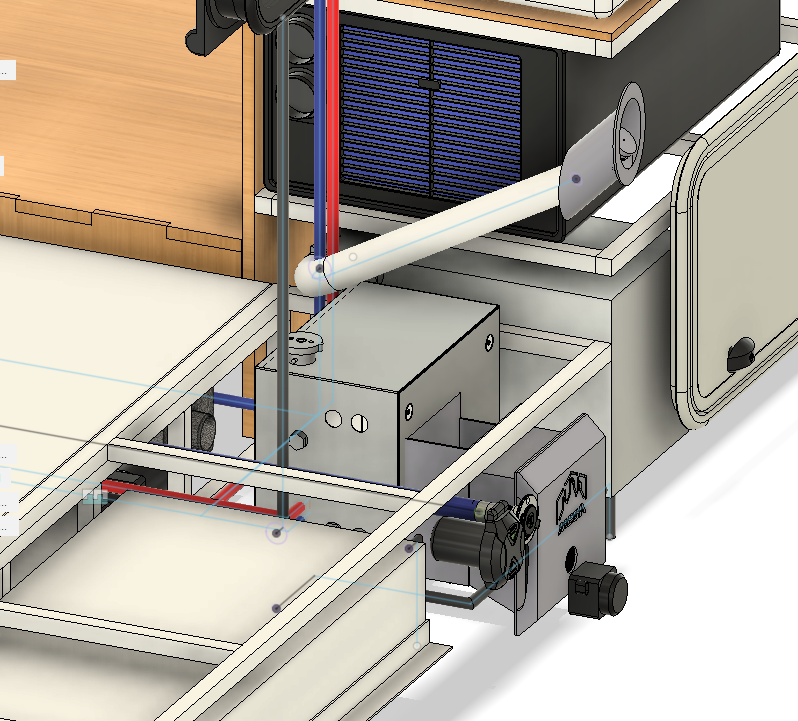
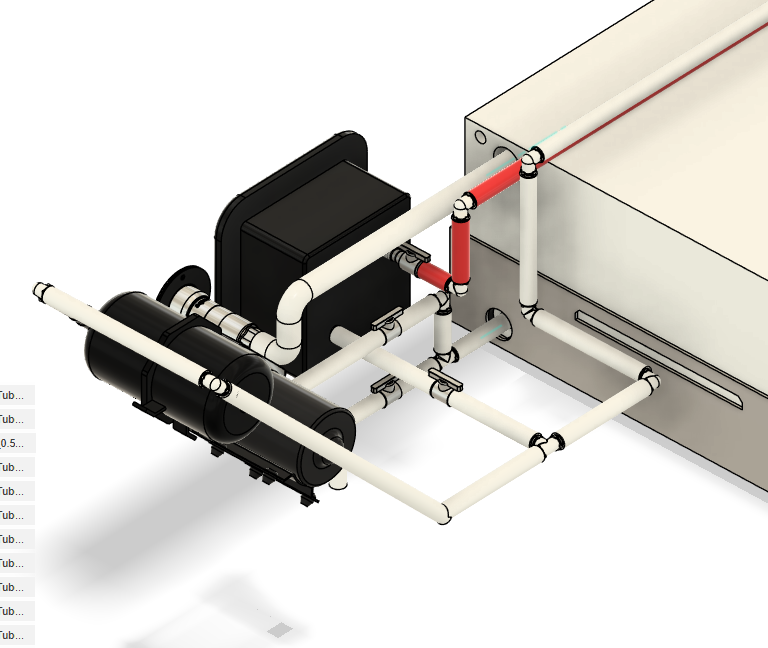
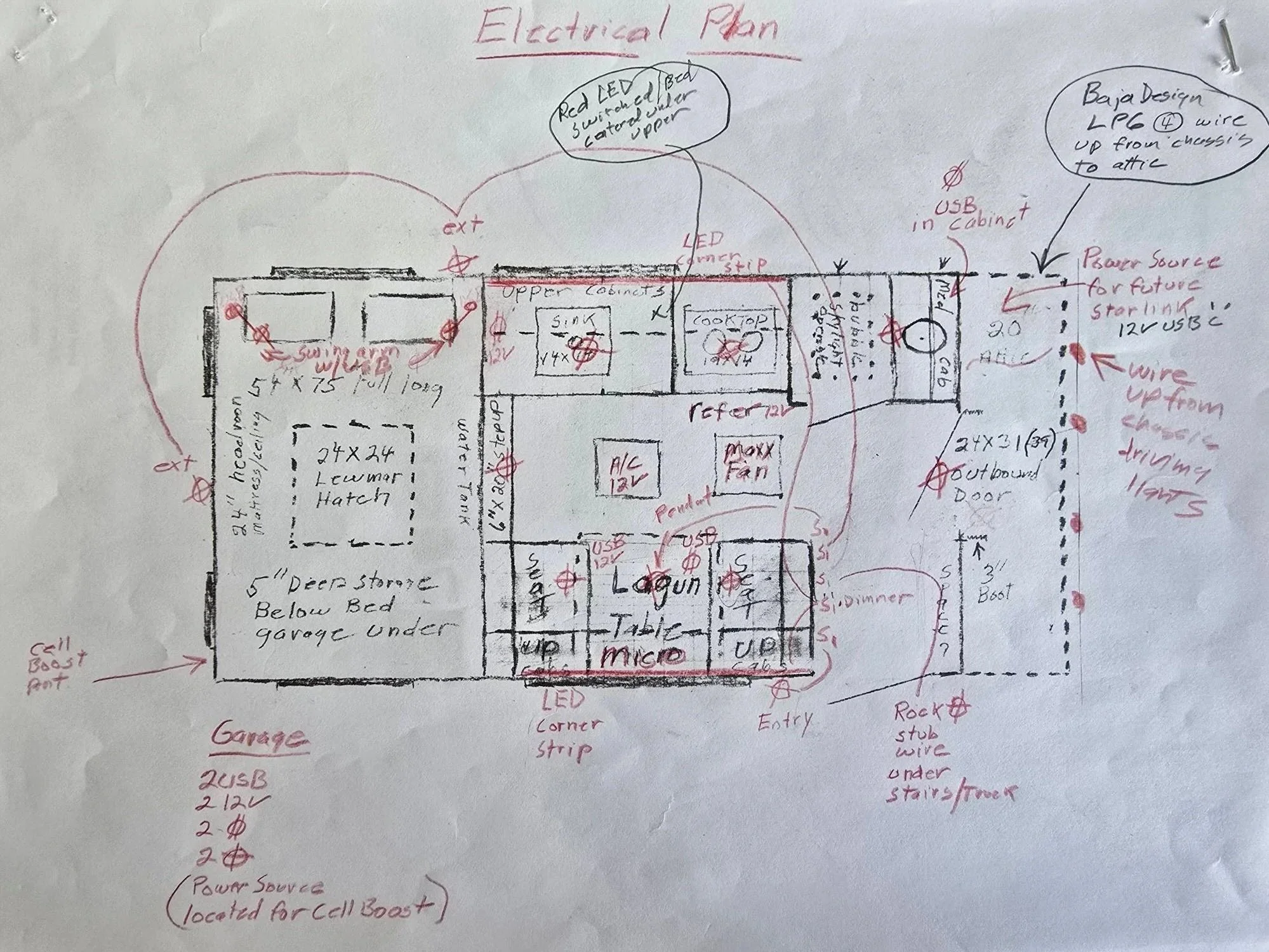
How the camper is going to work- water, electrical, heating/cooling systems. Make sure everything is accounted for and allowances for all parts are cut into the cabinetry.